 how-to
Preventing Basement Flooding in Vancouver: 7 Steps
Table of Contents
- Why Basement Flooding Happens in Vancouver Homes
- Step 1: Diagnose Where the Water Is Coming From
- Step 2: Improve Rainwater Drainage Around the Foundation
- Step 3: Seal Foundation Cracks and Openings
- Step 4: Sump Pump Installation and Backup Power Planning
- Step 5: Basement Drain Tile and Backwater Valve Protection
- Maintenance Schedule and Inspection Checklist
- When to Call a Professional for Preventing Basement Flooding
- Frequently Asked Questions
Last Updated: October 15, 2026
Why Basement Flooding Happens in Vancouver Homes
Preventing basement flooding in Vancouver starts with understanding why water gets in. The city's wet winters, heavy rain, and spring snowmelt push huge volumes of water against foundations every year.
Water intrusion usually comes from one of four sources:
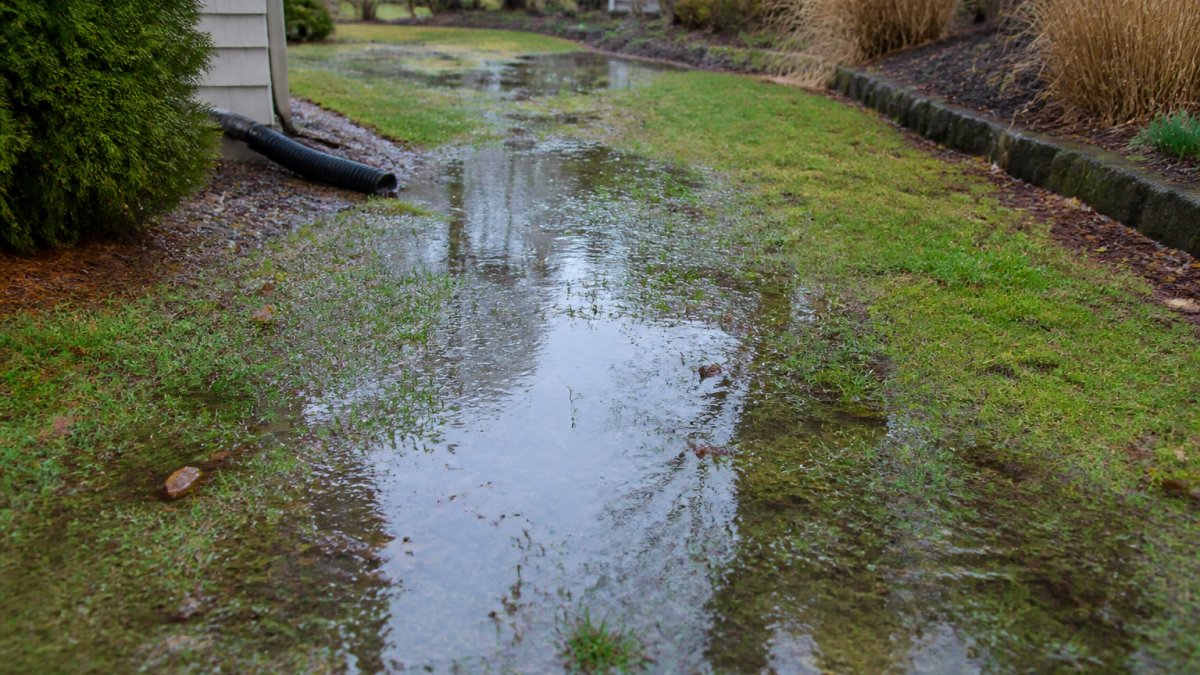
- Rain pooling against the foundation because the ground slopes inward
- Gutters and downspouts dumping water right beside the house
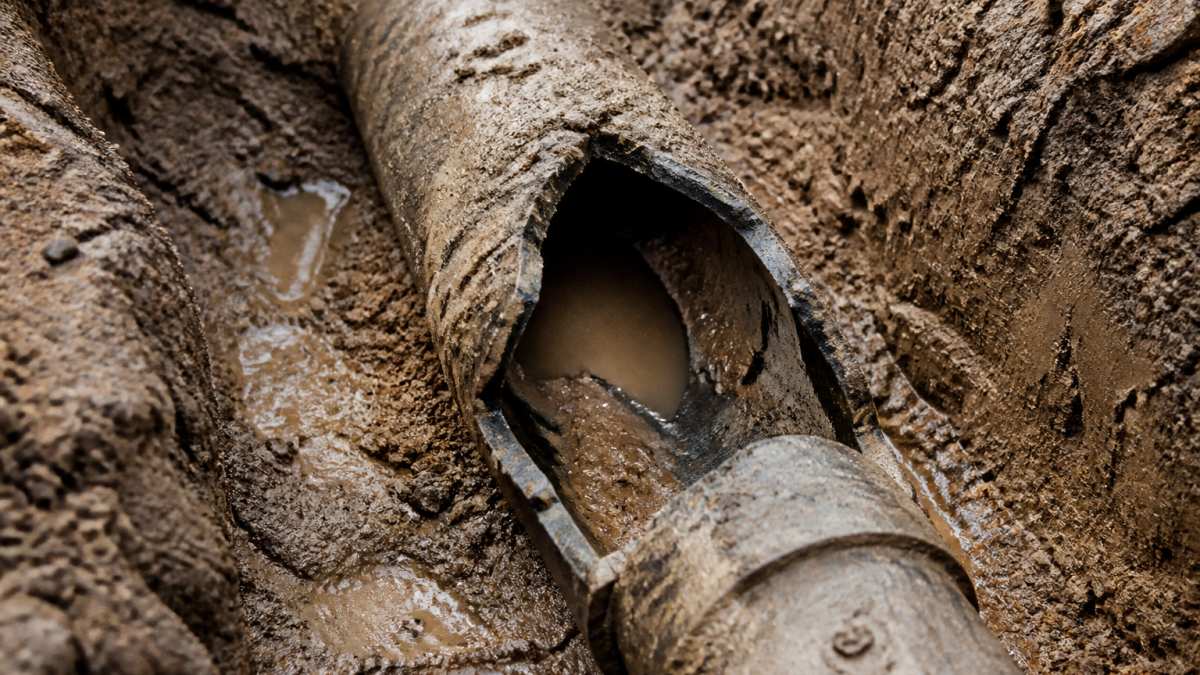
- Cracks in foundation walls or floors
A University of Toronto study on basement flooding prevention found that municipal sewer surcharge is a leading cause of flooded basements, which is why property-level protection matters so much. Homes that flood once tend to flood again without fixes.
Below, we walk through 7 steps to stop it.
Step 1: Diagnose Where the Water Is Coming From
The fix depends on the source, so find it first. Look for these clues:
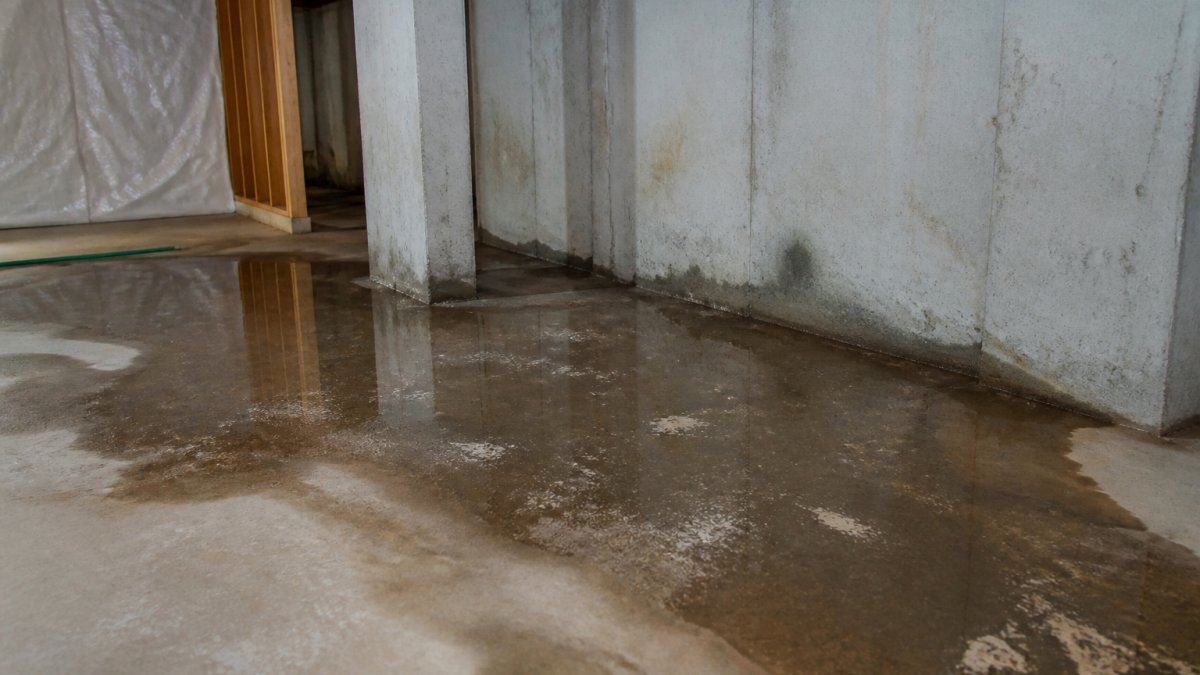
- Water along the base of walls: likely foundation cracks or poor exterior drainage
- Water at floor drains or a floor drain backing up: likely sewer backup
- Water near a basement entrance or window well: surface water getting in
Check after the next storm. Note where water appears and how fast. That pattern tells you which step below to prioritize.
Step 2: Improve Rainwater Drainage Around the Foundation
Keeping rainwater away from the foundation is the highest-value step you can take. According to the Insurance Bureau of Canada's basement flood protection guide, homeowners should grade the lot to direct water away, install a backwater valve, maintain it yearly, and disconnect downspouts.
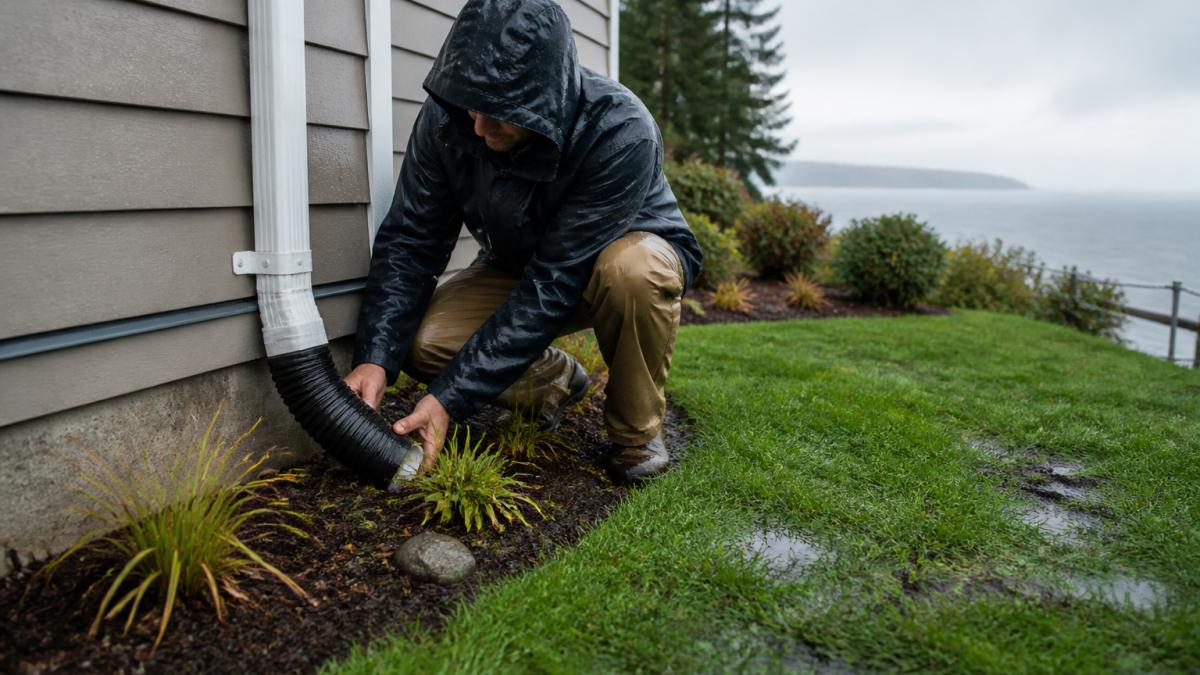
Grading, Gutters, and Downspout Discharge
- Grade the soil so it slopes away from the house, roughly 2% over the first 1.5 metres
- Clean gutters and eavestroughs at least twice a year, more in fall
- Extend downspouts at least 1.5 to 2 metres from the foundation
Step 3: Seal Foundation Cracks and Openings
Foundation crack repair stops small leaks from becoming big ones. Water can seep through cracks as thin as a hair. Seal them before they widen.
Where to look:
- Horizontal and vertical cracks in poured concrete walls
- Gaps around pipes, wires, and utility entries
- Window wells and basement entrance frames
- Floor-to-wall joints
For hairline cracks, hydraulic cement or polyurethane injection often works. For wider cracks or active leaks, call a pro. DIY sealant on a structural crack usually fails within a season.
Step 4: Sump Pump Installation and Backup Power Planning
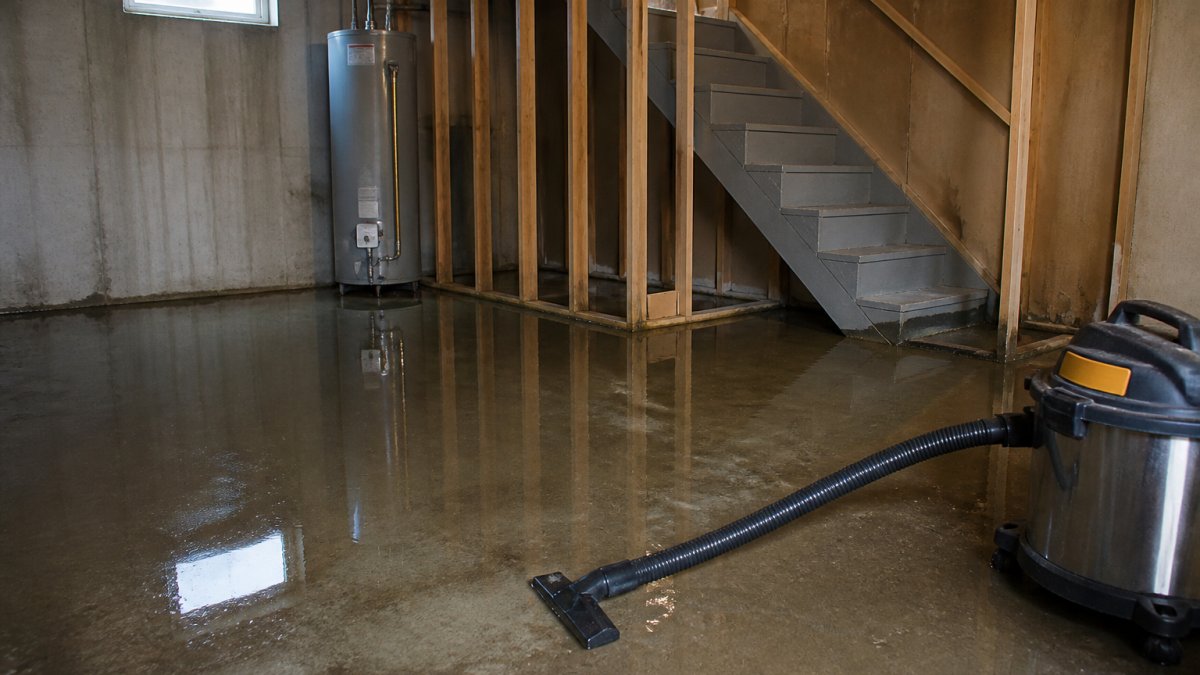
Sump pump installation is your first line of defense when water still reaches the floor. A sump pump collects water in a basin and pushes it outside before it rises. The catch: the storms that deliver the most water are also the ones most likely to cut your power, so the pump and its backup have to be planned as one system, not two purchases.
Getting the primary pump right
- Sealed basin to stop odors, debris, and radon-style soil gas from entering the basement
- Cast-iron or stainless housing rather than plastic, for heat dissipation on long runs
- Vertical float switch so it doesn't jam against the basin wall the way a tethered float can
- Dedicated circuit with a GFCI, so a tripped breaker elsewhere doesn't take the pump offline
Size the pump to the basin and the head height, not to the price tag. A pump rated for a high flow rate at zero lift can move far less water once it has to push up a basement wall and out through a long horizontal run.
Backup power: the part most homeowners skip
A sump pump without backup power fails exactly when you need it most. During a storm-driven outage, a dead pump means water rises fast. There are three practical layers of protection, and they stack:
- Battery backup pump, a second, DC-powered pump on its own float, sitting in the same basin. It runs on a deep-cycle marine battery or a sealed AGM battery and typically keeps working for several hours of intermittent pumping. This is the most common and most cost-effective layer.
- Whole-home or dedicated generator, a natural-gas or propane standby unit wired to the pump circuit. It runs indefinitely as long as fuel is supplied, but it costs more and needs professional installation and an annual exercise test.
- Water-powered backup, a pump driven by municipal water pressure. It never needs a battery, but it only works while water service is on and it consumes a large volume of potable water per cycle.
Whichever layer you choose, add a high-water alarm on a separate battery. The alarm is what tells you the primary pump has stopped before the floor is wet, without it, you find out when you step into standing water.
Testing and failure response
- Monthly: pour a bucket of water into the basin and confirm the primary pump starts, runs, and shuts off cleanly. Watch the discharge outside to confirm water is actually leaving.
- Monthly: press the test button on the backup pump and the alarm.
- Seasonally: check the battery electrolyte level (flooded batteries) or state of charge (AGM), and replace batteries every three to five years regardless of how they test.
- Annually: clean the basin, check the float for debris, and confirm the check valve isn't stuck.
If the pump runs constantly during dry weather, that is a signal, not a nuisance. It usually means groundwater is reaching the basin continuously, which points to a drainage or drain-tile problem upstream. If the pump runs but no water leaves the discharge line, check for a frozen or blocked outlet before assuming the pump has failed.
Step 5: Basement Drain Tile and Backwater Valve Protection
Basement drain tile and a backwater valve handle the water you can't see. Drain tile is a perforated pipe that runs around the footing, collecting groundwater and moving it to a sump or drain.
Together, they cover both problems:
| Problem | Solution | Why It Matters |
|---|---|---|
| Groundwater under the floor | Basement drain tile | Moves water away before it rises |
| Sewer backup | Backwater valve | Blocks reverse flow from the main line |
| Surface runoff | Grading and downspouts | Keeps water away from the foundation |
| Power outage | Battery backup sump | Keeps the pump running |
A 2021 review in Frontiers in Water found that building- and lot-level measures are key to cutting urban flood risk. One measure alone rarely does the job.
Maintenance Schedule and Inspection Checklist
Preventing basement flooding is mostly about upkeep, and the timing matters as much as the tasks. Water intrusion rarely announces itself; it shows up as a damp patch, a musty smell, or a floor drain that gurgles during a downpour. A routine that runs ahead of the wet season catches those signals while the fix is still cheap.
Seasonal rhythm
Early fall (before the wet season)
- Clean gutters and eavestroughs, then again after the last leaves drop
- Confirm downspouts discharge at least 1.5 to 2 metres from the foundation and onto a splash pad or dry well
- Check that the grade still slopes away from the house, roughly 2% over the first 1.5 metres, and top up soil where it has settled
- Test the sump pump and its backup, and confirm the discharge outlet is clear
Winter
- Keep snow cleared away from foundation walls and window wells so meltwater drains away rather than pooling
- Confirm the sump discharge line isn't frozen or blocked by ice
- After a thaw, check the basement for damp patches along the base of walls
Spring (snowmelt and heavy rain)
- Re-check grading where frost heave has shifted soil
- Clear any debris that winter storms pushed into gutters or onto the roof
- Test the sump pump again, spring is when it earns its keep
- Watch floor drains during the first heavy rain for gurgling or backup, an early sign of a sewer surcharge problem
Summer
- Inspect the roof and flashing for damage that could send water down the walls
- Check window wells and basement entrance frames for cracks or failed seals
- Review your insurance coverage and confirm your policy reflects any drainage work you've had done
Monthly and annual tasks
- Monthly: Test the sump pump by pouring water into the basin
- Monthly: Press the test button on the backup pump and high-water alarm
- Monthly: Check the backwater valve for debris
- Annually: Have the backwater valve serviced by a qualified technician
Before a forecast heavy rain
When a major storm is in the forecast, run a short pre-storm sequence:
- Clear gutters and downspout outlets of leaves and debris
- Confirm the sump discharge line is clear and directed away from the foundation
- Test the sump pump and backup, and confirm the alarm is armed
- Move stored items off the basement floor and away from walls
- Know where your main water shut-off and electrical panel are, and how to cut power to the basement if water reaches outlets
Set phone reminders for the monthly and seasonal tasks. A 10-minute check beats a $10,000 repair.
When to Call a Professional for Preventing Basement Flooding
Call a pro when water keeps coming back after basic fixes. Signs it's time:
- Water returns after you've fixed grading and downspouts
- You see active leaks through foundation walls
- Your floor drain backs up during heavy rain
- Your sump pump runs constantly
DrainageBusters handles drain tile installation, wet basement remediation, and sewer repair across Metro Vancouver and the Fraser Valley. We provide free estimates, so you can get a clear picture before committing.
Frequently Asked Questions
How do I prevent rainwater from entering my basement?
Start outside. The Insurance Bureau of Canada recommends grading your lot so soil slopes away from the house, installing a backwater valve, and disconnecting downspouts so roof runoff discharges well away from the foundation. Keep eavestroughs and downspouts clear of leaves so water has somewhere to go. Inside, a sump pump and sealed foundation cracks handle what still gets through. No single measure covers everything, which is why combining exterior drainage with sewer protection gives the most reliable result.
Do I need a sump pump to prevent basement flooding?
Not every home needs one, but if your basement sits below the surrounding water table or you have seen standing water after heavy rain, a sump pump installation is one of the most effective measures you can take. Canadian supplier guidance recommends a sealed basin, a vertical float switch, a dedicated circuit, and battery or generator backup so the pump keeps running during a power outage, which is often when storms hit hardest.
How often should I check my basement sump pump?
Test it at least twice a year, before the fall rainy season and again in spring when snowmelt raises groundwater. Pour a bucket of water into the basin and confirm the pump activates and drains fully. Check the float switch moves freely and the discharge line is not frozen or clogged. The Insurance Bureau of Canada recommends maintaining flood protection equipment at least annually, and a pump that fails silently during a storm is the most common cause of repeat flooding.
Can clogged gutters cause basement flooding?
Yes. When eavestroughs or downspouts clog, rainwater sheets down the exterior walls and pools against the foundation instead of being carried away. That water finds foundation cracks, window wells, and basement entrances. Clearing gutters twice a year and extending downspouts at least two metres from the house is one of the cheapest steps in preventing basement flooding, and it protects the drainage work you have already paid for.
Water always finds the weakest point in your home's defenses, and in this climate, that point shows up fast. DrainageBusters specializes in drainage, waterproofing, and sewer solutions, with drain tile installation, wet basement remediation, and professional sewer repair backed by free estimates. Get started with DrainageBusters and keep your basement dry through the next storm season. Call (778) 320-4013.