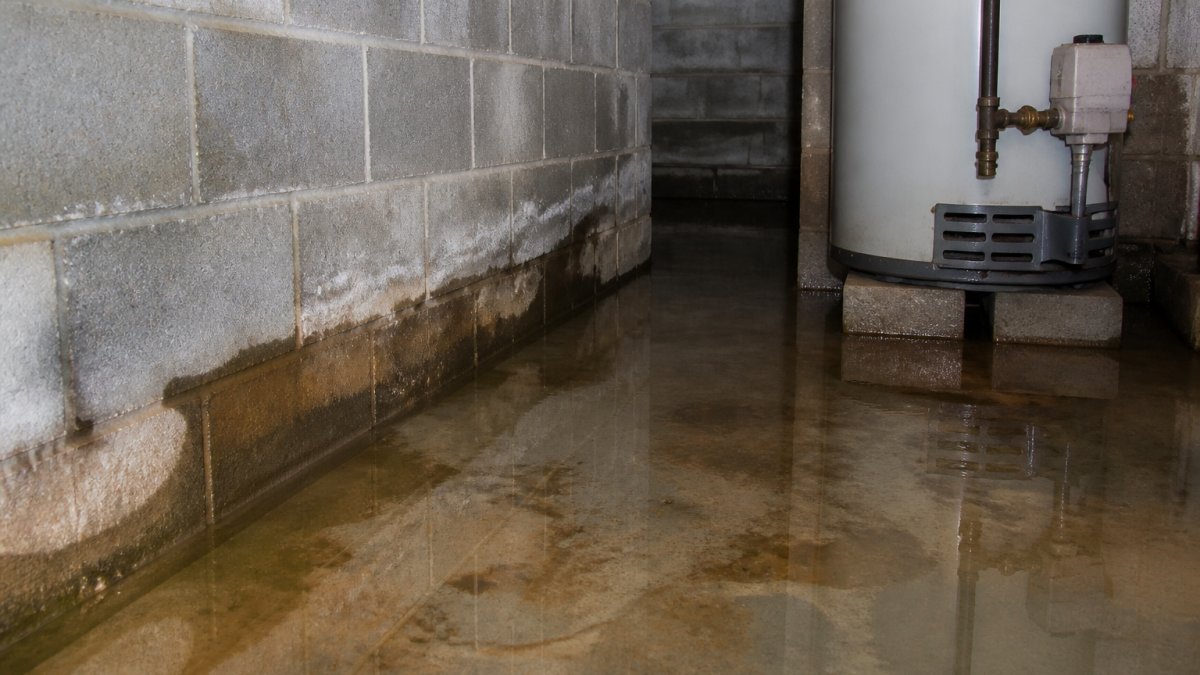
 ultimate-guide
How to Fix a Wet Basement: A Step-by-Step 2026 Guide
Table of Contents
- Signs of Basement Water Damage You Should Never Ignore
- How to Diagnose the Source of Water Intrusion in Your Wet Basement
- Exterior Water Management: Grading, Downspouts, and Weeping Tile
- How to Install a Sump Pump and Interior Drainage System
- Cost of Exterior Basement Waterproofing Per Foot: What to Expect
- Drying, Dehumidifying, and Restoring Your Wet Basement
- Protecting Your Home: Insurance, Health Risks, and Long-Term Maintenance
- Frequently Asked Questions
Last Updated: September 28, 2026
Signs of Basement Water Damage You Should Never Ignore
According to US Waterproofing's 2026 learning center, roughly 80% of basement water problems trace back to surface water that was never properly diverted. That single figure reframes the entire problem: most wet basements are not plumbing failures, they are drainage failures. This guide from DrainageBusters walks through diagnosis, repair, and prevention so you can stop guessing and start fixing.
Watch for these visible clues:
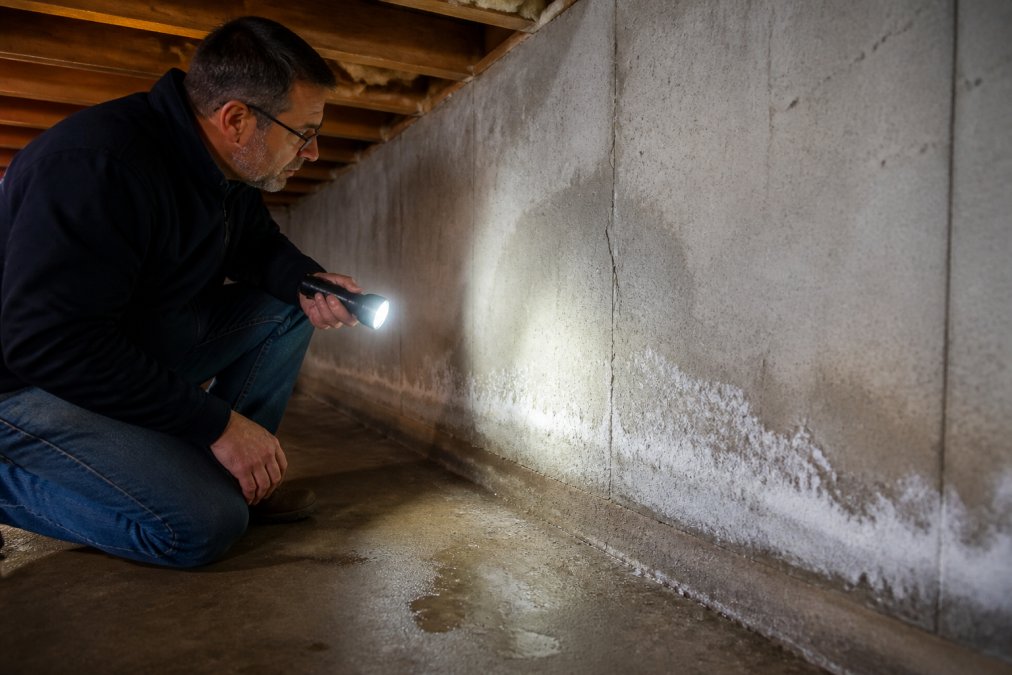
- White powder or crust on walls (efflorescence)
- Brown or rust-colored staining near the floor
- A persistent musty odor that returns after cleaning
- Peeling paint or bubbling drywall
How to Diagnose the Source of Water Intrusion in Your Wet Basement
Diagnosing a wet basement means separating three suspects: surface runoff, groundwater, and plumbing leaks. Getting this wrong is expensive, homeowners pay for interior drainage when the real problem is a failed downspout. Timing, location, and persistence tell you which one you are dealing with.
Surface Water vs. Groundwater vs. Plumbing Leaks
Surface water enters within hours of heavy rain, usually along one wall facing a slope, driveway, or downspout outlet. Groundwater rises through the cove joint or floor after days of wet weather, driven by hydrostatic pressure. Plumbing leaks run constantly, rain or shine, and show up as a damp floor patch rather than a wet wall.
A simple test separates them:
- Dry weather leak: suspect plumbing or condensation
- Leak within 24 hours of rain: suspect grading, gutters, or downspouts
- Leak days after rain: suspect weeping tile, perimeter drain, or water table
- Leak that appears only in winter: suspect condensation on cold surfaces or a frozen discharge line
The Bucket Test for Plumbing Leaks
Before spending money on drainage, rule out plumbing. Shut off every water-using appliance and fixture, then watch the water meter for 30 to 60 minutes. If it moves with everything off, you have a supply-line leak; if not, the source is almost certainly external water.
Reading the Location of the Water
Where the water appears narrows the diagnosis further:
- Cove joint (floor-wall seam): the most common entry point for groundwater, because it is a natural cold joint in the concrete. Water here points to hydrostatic pressure and a perimeter drain problem.
- Mid-wall or hairline cracks: often surface water finding a path through the foundation. Vertical cracks are usually shrinkage cracks; horizontal cracks or bowing are a structural warning sign and warrant a professional assessment.
- Floor slab, away from walls: usually rising groundwater or a failed sub-slab drain.
- Around a window or sill: surface water from grading or a blocked window well.
- Under a bathroom or laundry area: plumbing, almost every time.
Confirming with a Moisture Meter and a Hose Test
A pin-type moisture meter lets you compare readings across walls and track whether one is actively wet or has dried. Take a baseline on a known-dry wall, then compare.
When the Diagnosis Points to a Professional
Some findings should stop the DIY process immediately: horizontal foundation cracks, bowing walls, water appearing without rain, or a leak that returns after repair. These point to structural or hydrostatic conditions needing an engineer or waterproofing specialist before any fix is chosen.
Exterior Water Management: Grading, Downspouts, and Weeping Tile
Exterior water management is the first line of defense and should always come before interior repairs. The goal: move water away from the foundation before it reaches the wall.
Next, handle roof runoff:
- Add downspout extensions to discharge at least 1.5 to 2 metres from the foundation
- Clean gutter extensions twice a year to prevent overflow
- Check that surface runoff from sloped yards is redirected around the house
How to Install a Sump Pump and Interior Drainage System
Installing a sump pump is the standard fix for groundwater reaching the basement floor: it collects water in a pit and discharges it away from the home before it can rise.
What you'll need:
- Sump basin and perforated drain pipe
- Submersible sump pump with a check valve
- Gravel and concrete for backfill
- Dedicated GFCI electrical outlet
The steps:
- Break out a trench along the interior perimeter of the foundation wall
- Install perforated pipe pitched toward the sump basin
- Set the basin, backfill with gravel, and re-pour the concrete floor
- Connect the discharge line and route it away from the foundation
- Test with water and confirm the float triggers the pump
Cost of Exterior Basement Waterproofing Per Foot: What to Expect
Pricing for exterior basement waterproofing depends on excavation depth, access, and the length of wall involved, so a per-foot figure is only useful once a contractor has inspected the site. According to Rapid Eye Inspections' 2026 waterproofing statistics, the average cost to fully waterproof a 1,000-square-foot basement runs about $13,640, while interior-only methods average near $3,000.
| Approach | Typical Scope | Best For |
|---|---|---|
| Interior drainage + sump pump | Perimeter trench, basin, discharge | Groundwater at the cove joint |
| Exterior waterproofing membrane | Excavation, membrane, weeping tile | Chronic seepage, high water table |
| Crack injection sealing | Polyurethane or epoxy injection | Isolated foundation cracks |
| Grading and downspout fixes | Soil, extensions, gutters | Surface runoff |
Drying, Dehumidifying, and Restoring Your Wet Basement
Once the water source is controlled, drying comes next. Standing water and trapped humidity cause musty odors, mold growth, and ongoing damage to stored items and framing.
Protecting Your Home: Insurance, Health Risks, and Long-Term Maintenance
What determines whether a wet basement is a nuisance or a financial disaster is what happens before the water arrives: whether your policy covers it and whether the space is safe afterward. This section covers both, plus the maintenance that keeps a fixed basement fixed.
Does Home Insurance Cover a Flooded Basement?
In most standard Canadian homeowner policies, basement flooding from overland water, surface water entering through a window, door, or seepage point, is excluded, as is sewer backup. Both are available as endorsements, but you must ask, and they are priced separately.
A practical way to check your exposure:
- Read the exclusions page, not the summary. Overland water and sewer backup exclusions are usually listed there, not in the coverage table.
- Ask your broker specifically: "If my basement floods from a heavy rain event and water comes in through the foundation, is that covered?" Get the answer in writing.
- Confirm whether the endorsement covers the contents (furniture, electronics, finished basement materials) as well as the structure.
- Ask about the deductible for water damage, it is often higher than the standard deductible.
- If you rent, check whether your tenant policy covers your contents; the landlord's policy covers the building, not your belongings.
Health Risks of a Wet Basement
Mold is the headline risk, but not the only one. Damp basements support mold, mildew, dust mites, and bacteria, with effects ranging from respiratory irritation and allergic reactions to aggravated asthma and persistent headaches or fatigue. Those most affected, children, older adults, and anyone with a pre-existing respiratory condition, often have the least ability to avoid the space.
- Wear an N95 respirator and gloves when removing soaked materials.
- Bag and remove porous items rather than trying to dry them in place.
- Run a dehumidifier and air filtration until relative humidity is below 50%.
- If the affected area is larger than roughly one square metre, or if you can see or smell mold, a professional remediation assessment is the safer call.
Long-Term Maintenance Checklist
A fixed basement stays fixed only if the water-management system keeps working. Seasonal maintenance is the cheapest insurance you can buy:
- Clean gutters and check downspout extensions each spring and fall
- Re-check grading every two years for settlement and low spots
- Test the sump pump monthly and before storm season by pouring water into the basin
- Inspect the discharge line for freezing, clogging, or a shifted outlet
- Watch for new efflorescence, staining, or musty odor after heavy rain
- Keep indoor relative humidity below 50% year-round
- Re-check your insurance endorsements annually, especially after a renovation
Smart Monitoring: Catching the Next Leak Early
Wi-Fi water sensors and sump pump alarms are inexpensive and largely absent from traditional repair guides. Placed at the cove joint, near the sump basin, and under the water heater, they alert your phone the moment moisture appears, often days before you would notice a stain, and the difference between a small cleanup and a repeat claim.
Frequently Asked Questions
Can a wet basement be fixed permanently?
A wet basement can be fixed permanently if you address the root cause, not just the symptom. About 80% of basement water problems come from surface water that hasn't been properly diverted. A full solution typically combines exterior grading, downspout extensions, weeping tile repair, and interior drainage like a sump pump. While minor DIY fixes exist, they often fail on structural issues. A professional assessment ensures the fix targets the actual source and lasts.
What is the most effective way to dry out a wet basement?
Start by removing standing water with a wet/dry vacuum or sump pump, then run a dehumidifier to bring relative humidity below 50%. Open windows only if outdoor humidity is low; otherwise, keep the space closed and use air filtration. Move wet items outside to dry. For significant flooding, call a professional, as hidden moisture in walls and under floors can lead to mold within 24 to 48 hours. Proper drying also protects structural integrity.
Is interior or exterior waterproofing better for my home?
Exterior waterproofing is more effective because it stops water before it reaches your foundation, but it costs more and requires excavation. Interior systems like sump pumps and drainage membranes manage water that's already entered. The best choice depends on your home's grading, water table, and foundation condition. Many homes benefit from a combination. A professional can evaluate your specific situation and recommend the right approach.
How much does exterior basement waterproofing cost per foot?
The cost of exterior basement waterproofing per foot varies based on excavation depth, membrane type, and drainage requirements. While average waterproofing for a 1,000-square-foot basement runs around $13,640, interior-only methods can be closer to $3,000. For an accurate per-foot estimate tailored to your property, contact a professional for a free assessment. Pricing depends on your home's specific conditions and the scope of work required.
Water in your basement is a symptom, not the problem. The real issue is almost always where water is going, not where it is showing up. DrainageBusters handles drain tile installation, comprehensive sewer repair, and full wet basement remediation, and we provide free estimates so you know the scope before any work begins. Call (778) 320-4013 and get started with DrainageBusters to keep your basement dry for good.