 ultimate-guide
Foundation Waterproofing Cost: 2026 Pricing Guide
Table of Contents
- What Is the Average Cost for Foundation Waterproofing?
- Foundation Waterproofing Cost Per Linear Foot
- Interior Basement Waterproofing Cost
- Exterior Basement Waterproofing Cost
- Factors That Affect Foundation Waterproofing Costs
- Getting an Accurate Basement Waterproofing Estimate
- Waterproofing Versus Damp-Proofing and Repair Alternatives
- Long-Term Value and Warranty Considerations
- Frequently Asked Questions
Last Updated: October 11, 2026
What Is the Average Cost for Foundation Waterproofing?
Foundation waterproofing cost ranges significantly depending on the scope and method you choose. Most homeowners investing in professional basement waterproofing can expect to pay between $2,461 and $8,205, according to Angi's 2026 cost analysis.
The range reflects differences in project complexity: interior sealant costs far less than exterior excavation with full drainage systems. Understanding which approach fits your situation starts with knowing what you're paying for.
Professional waterproofing prevents water intrusion at the source, stopping recurring moisture problems that cause mold, cracks, and costly repairs, unlike temporary fixes.
Foundation Waterproofing Cost Per Linear Foot
When contractors quote foundation waterproofing, they often break costs down by linear footage. A basic basement waterproofing estimate runs $11.46-$13.64 per linear foot, according to Homewyse's September 2026 data, though your actual cost per foot depends heavily on the method and site conditions.
Interior waterproofing typically costs less per linear foot because it doesn't require excavation. Exterior work, which involves digging around your foundation and installing drainage systems, commands a higher per-foot price.
Don't use per-foot pricing alone to compare quotes. A contractor quoting $15 per foot for exterior work might be including comprehensive drainage tile installation and grading restoration, while another at $12 per foot might exclude landscaping.
Interior Basement Waterproofing Cost
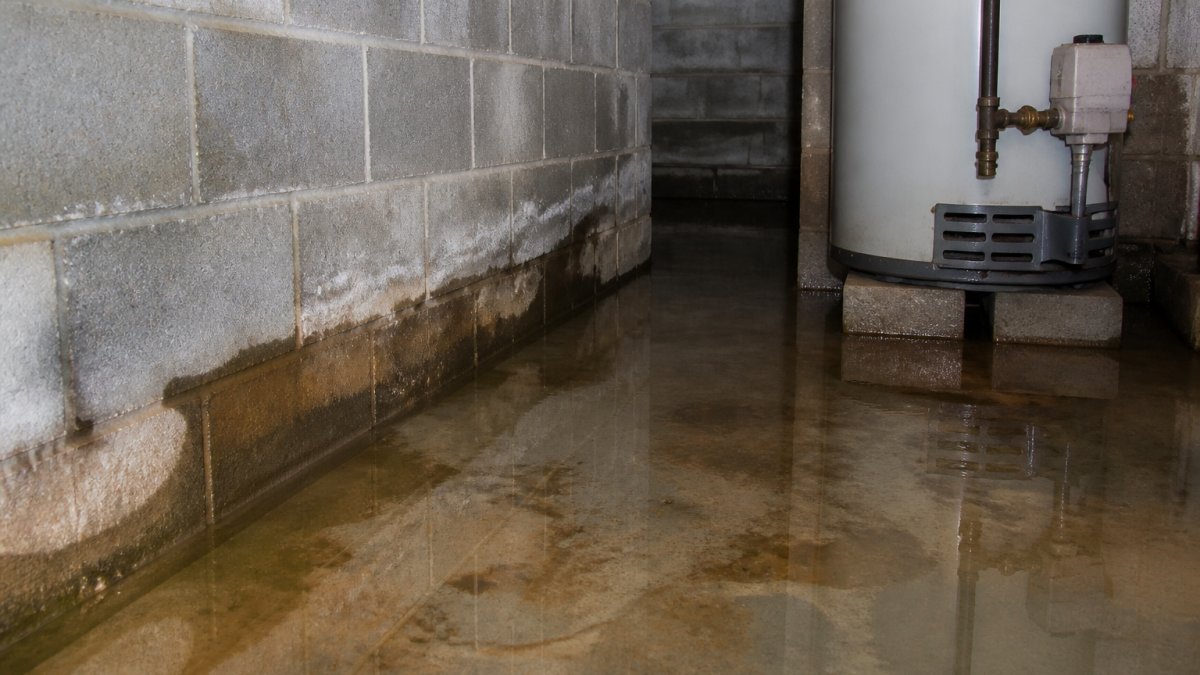
Interior waterproofing seals cracks and manages moisture from inside, costing less because it avoids excavation, heavy equipment, and landscaping restoration. It works well for minor seepage.
Interior methods include crack injection ($300-$800 per crack), sealants, and drain tile systems ($3,000-$6,000 with sump pump). Best for minor intrusion or where exterior excavation isn't practical.
The trade-off: interior solutions manage water already inside but don't prevent hydrostatic pressure. For long-term protection and repeated flooding, pair interior work with exterior measures.
Exterior Basement Waterproofing Cost
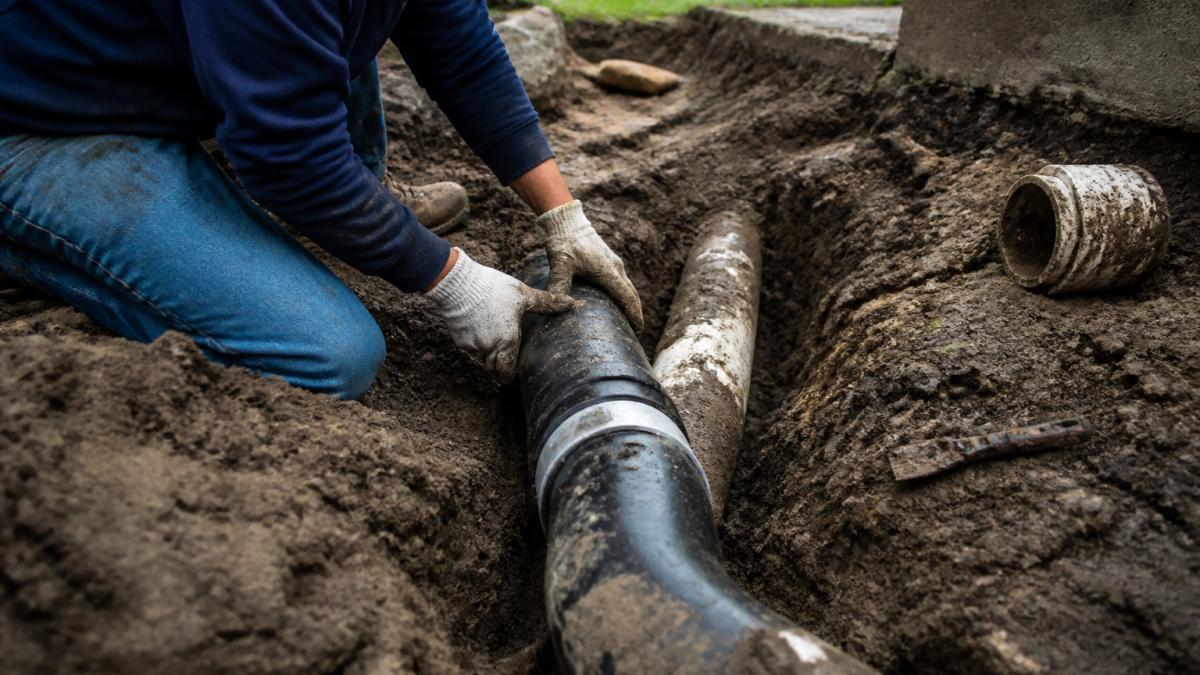
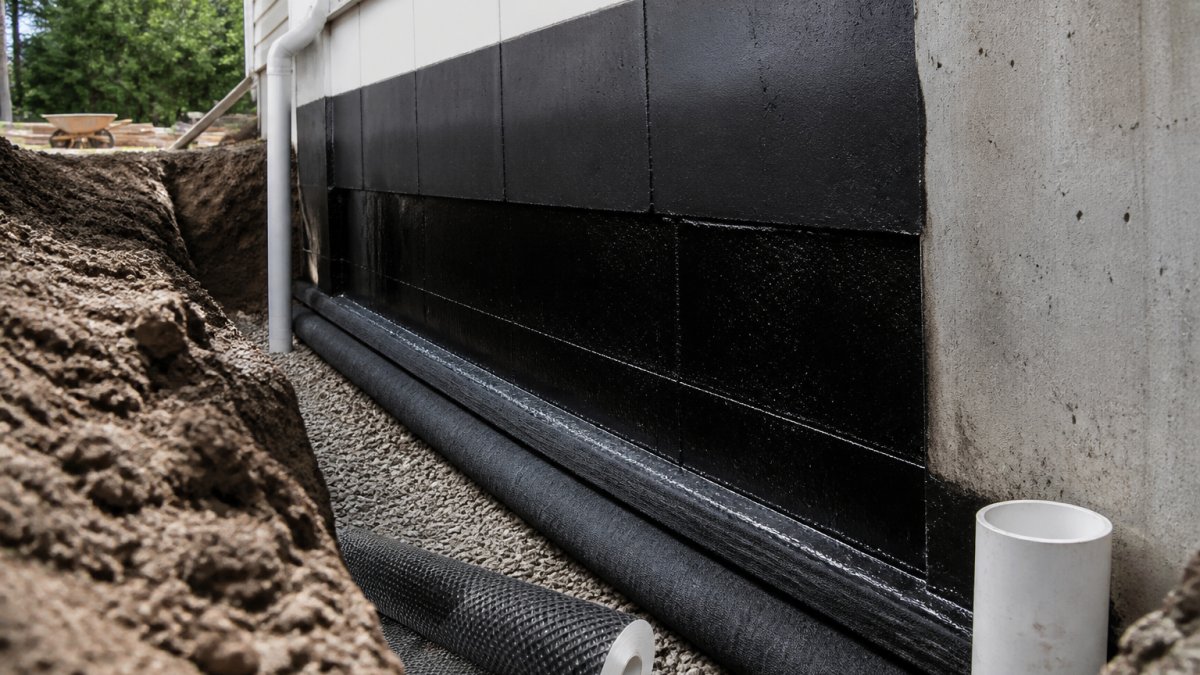
Exterior waterproofing addresses water before it reaches your walls through excavation, membranes, drainage systems (French drains or perimeter tile), and grading.
Complete exterior systems with drainage tile, membrane, and grading typically range $5,000-$15,000+ depending on foundation size and complexity.
Excavation depth affects costs: shallow digging (less than 1 meter) costs less than deep (over 1.8 meters) for proper drainage tile. Clay soil requires more aggressive drainage than sandy soil.
Factors That Affect Foundation Waterproofing Costs
Understanding how individual factors combine to drive your total cost helps you anticipate what contractors will quote. Here are the primary variables and how they interact:
Foundation perimeter and basement size
Foundation linear footage is the estimate starting point. A 150-foot perimeter costs less than 250 feet; larger perimeters mean more drainage, membrane, and labor.
Square footage determines sump pump capacity and drain tile sizing. Larger basements collect more water, requiring stronger drainage solutions.
Excavation depth and soil conditions
Excavation depth directly impacts labor and equipment costs. Proper drainage tile requires digging below footing; deeper work means more soil removal, materials, and time. A depth of 0.6 to 1 meter is typical for effective drainage tile.
Soil conditions determine drainage aggressiveness. Clay drains poorly and needs perimeter tile and sump pumps; sandy soil needs less intervention. Contractors assess composition during inspection.
High water tables create constant hydrostatic pressure, requiring strong systems. Low water tables allow simpler solutions.
Water intrusion severity and repair scope
Existing damage shapes scope. Minor seepage costs less than active intrusion or flooding history. Contractors assess whether cracks need structural repair before waterproofing.
Previous damage may require remediation. Mold remediation adds cost; structural cracks (wider than 6 millimeters) need epoxy or repair before waterproofing.
Drainage system requirements
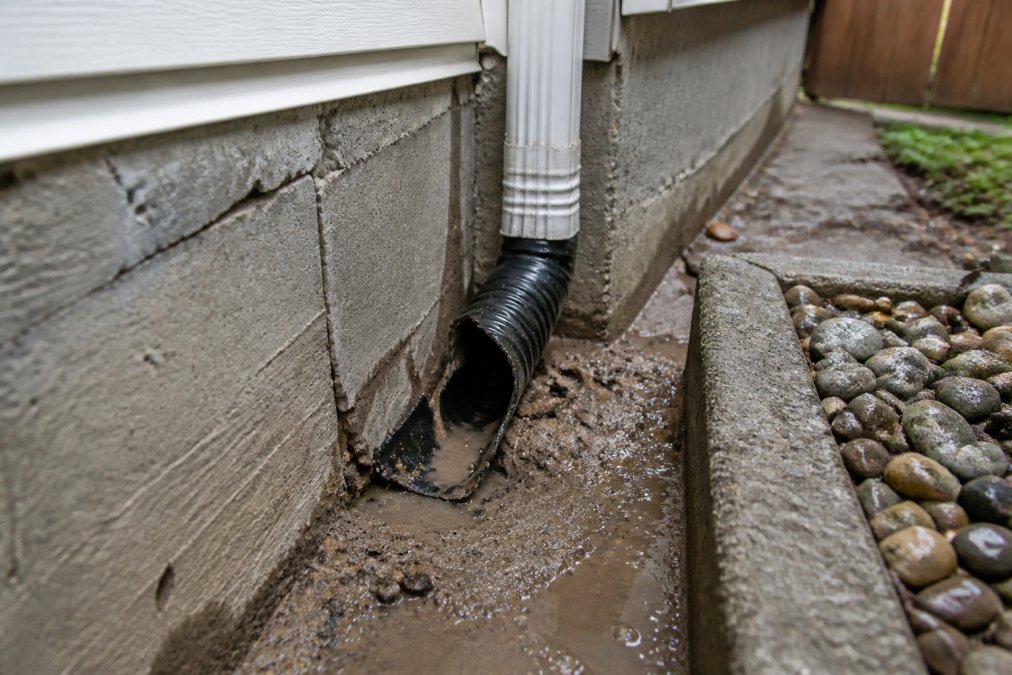
Properties need different solutions. Good grading with minor seepage needs interior sealant and downspout improvements. Poor drainage with flooding requires exterior membrane, perimeter tile, sump pump, and grading restoration.
Sump pumps add $1,500-$3,000 and are essential for significant intrusion. French drains or perimeter tile add $2,000-$5,000. Verify grading and downspout extensions are included.
Cost scenarios: How factors combine
To illustrate how these variables interact, here are three realistic scenarios for a typical residential foundation:
Scenario 1: Small basement, minor seepage, good soil drainage
- Foundation perimeter: 120 linear feet
- Basement size: 900 square feet
- Water intrusion: Surface moisture, one or two small cracks
- Soil type: Sandy, well-draining
- Water table: Low (8+ feet below surface)
- Recommended approach: Interior sealant, crack injection, improved gutters and grading
- Estimated cost range: $2,000-$3,500
- Primary components: Crack injection ($300-$800), interior drain tile ($1,500-$2,000), sump pump ($800-$1,200), labor and materials
Scenario 2: Medium basement, moderate seepage, mixed soil, moderate water table
- Foundation perimeter: 180 linear feet
- Basement size: 1,500 square feet
- Water intrusion: Seepage from multiple wall sections after heavy rain
- Soil type: Clay-silt mix, moderate drainage
- Water table: Moderate (4-6 feet below surface)
- Recommended approach: Exterior waterproofing with drainage tile, interior backup sump pump
- Estimated cost range: $5,500-$8,500
- Primary components: Excavation ($2,000-$3,000), exterior membrane ($1,200-$1,800), perimeter drain tile ($2,000-$2,500), sump pump ($1,500-$2,000), grading restoration ($800-$1,200), permits and labor
Scenario 3: Large basement, active flooding, poor soil drainage, high water table
- Foundation perimeter: 250 linear feet
- Basement size: 2,500 square feet
- Water intrusion: Recurring basement flooding, visible cracks, mold present
- Soil type: Clay-heavy, poor drainage
- Water table: High (2-3 feet below surface)
- Recommended approach: Full exterior waterproofing, comprehensive drainage system, interior backup, mold remediation
- Estimated cost range: $10,000-$16,000+
- Primary components: Excavation with deep digging ($3,500-$5,000), exterior membrane ($2,000-$3,000), perimeter drain tile with sump pump ($3,000-$4,000), interior backup system ($1,500-$2,000), mold remediation ($1,000-$2,000), grading and restoration ($1,500-$2,000), permits and labor
These scenarios show why quotes vary widely. Different scopes explain price differences; always compare what's included, not just the total.
Getting an Accurate Basement Waterproofing Estimate
A professional estimate should itemize costs by component so you can understand exactly where your money is going and compare quotes accurately. Here's what a complete breakdown typically includes:
Excavation and soil removal: $1,500-$4,000+ Depth, volume, and soil type drive this cost. Shallow excavation for interior or limited exterior work costs less than deep excavation required for proper drainage tile installation. Clay-heavy soil requires more removal and disposal than sandy soil. Equipment rental (excavator, dump truck) and labor hours are the main variables.
Waterproof membrane application: $800-$2,500 Exterior membranes (liquid-applied or sheet-applied) protect the foundation wall from hydrostatic pressure.
Drainage system installation: $2,000-$5,000+ Perimeter drain tile, sump pump systems, and French drains are the backbone of long-term water management.
Permits and inspections: $200-$800 Local building permits and inspections are required in most jurisdictions.
Disposal and debris removal: $300-$1,000 Excavated soil and construction debris must be hauled away. Volume and local disposal fees determine this cost.
When comparing quotes, ensure each contractor itemizes the same components. One $6,000 estimate might include full exterior waterproofing with drainage and grading; another $4,000 might cover only membrane. Ask each contractor:
- What excavation depth are you planning, and why?
- What drainage system are you recommending, and is it included in your price?
- Are permits and inspections included, or billed separately?
- What's included in site restoration?
- What happens if we encounter unexpected conditions (rock, utilities, deeper water table)?
- Is there a contingency allowance, and what triggers it?
Red flags: vague descriptions, unusually low prices, refusal to provide written documentation, or no mention of drainage assessment.
Waterproofing Versus Damp-Proofing and Repair Alternatives
Damp-proofing prevents moisture vapor but not liquid water intrusion. It costs $1,000-$3,000 but is less effective for active water problems. Best for basements with slight dampness, not seepage.
Waterproofing actively prevents water from entering your basement and includes drainage management. It's more expensive but far more effective for homes with seepage, flooding, or high water tables.
Repair-only approaches address symptoms rather than causes. Patching cracks, applying interior sealant, or improving gutters might temporarily reduce water problems but don't prevent hydrostatic pressure from continuing to push against your foundation.
Long-Term Value and Warranty Considerations
Professional waterproofing systems typically come with warranties ranging from 10 to 25 years, depending on the contractor and method.
The long-term value of waterproofing extends beyond preventing water damage. A dry basement increases your home's resale value, prevents mold-related health issues, and protects your foundation from structural deterioration.
When evaluating warranties, confirm what's covered. Does the warranty cover labor if the system fails? Are there maintenance requirements you must follow to keep the warranty valid?
Foundation waterproofing protects one of your home's most critical assets.
Frequently Asked Questions
How much does foundation waterproofing typically cost?
Foundation waterproofing costs average between $2,461 and $8,205, depending on the method, foundation size, and damage severity. Interior waterproofing tends to cost less than exterior work because it requires no excavation. Exterior waterproofing, which involves digging around the foundation, typically costs more but addresses water intrusion at its source. Get a professional estimate to determine the exact cost for your property.
What is the typical cost of basement waterproofing per linear foot?
Basement waterproofing costs approximately $11.46 to $13.64 per linear foot for basic work. This estimate depends on foundation perimeter, soil conditions, and whether interior or exterior methods are used. Larger perimeters spread labor costs across more footage, potentially lowering the per-foot price. Difficult soil conditions or deep excavation requirements increase per-foot costs. Request quotes from multiple contractors to compare their per-foot pricing.
How do interior and exterior foundation waterproofing costs compare?
Interior waterproofing is generally less expensive because it avoids excavation and landscaping restoration. It works by managing water that enters the basement through interior drainage and sump pump systems. Exterior waterproofing requires excavating soil around the foundation, applying waterproof membranes, installing perimeter drains, and restoring landscaping, making it significantly more costly. However, exterior work addresses the root cause of water intrusion and often provides longer-lasting results.
What factors most affect the cost of a basement waterproofing estimate?
Foundation perimeter size directly impacts labor and materials costs. Excavation depth and soil conditions determine how difficult and time-consuming exterior work will be. The severity of water intrusion and scope of repairs affect whether you need basic waterproofing or extensive crack repair and drainage system installation. Access constraints, such as tight spaces or nearby structures, increase labor time. Contractor experience and local market conditions also influence final pricing.
Is it worth waterproofing a basement if I only have minor water seepage?
Minor seepage often signals future water problems. Small cracks and moisture can worsen over time due to hydrostatic pressure and freeze-thaw cycles. Addressing water intrusion early with waterproofing or damp-proofing prevents mold growth, structural damage, and costly repairs later. A professional inspection will determine whether you need full waterproofing, targeted sealant work, or improved grading and drainage. Early intervention typically costs far less than major foundation repairs.
How long does foundation waterproofing work typically take?
Interior waterproofing usually takes 3 to 7 days, depending on basement size and drainage system complexity. Exterior waterproofing takes longer because excavation, membrane application, drain installation, and landscaping restoration are involved. Projects may take 1 to 3 weeks or more if soil conditions are poor or extensive foundation repairs are needed. Seasonal weather and contractor availability also affect timeline. Discuss project duration with your contractor before work begins.
What should I look for when comparing foundation waterproofing contractor quotes?
Compare itemized cost breakdowns that separate labor, materials, excavation, drainage systems, and landscaping restoration. Verify that contractors inspect your foundation and understand the water intrusion source before quoting. Check whether quotes include warranty coverage and how long the warranty lasts. Ask about the specific waterproofing method, materials used, and whether drain tile or sump pump installation is included. Obtain at least three quotes to understand the local market and identify outliers.
Does foundation waterproofing include drain tile installation?
Drain tile installation may be included in exterior waterproofing packages, but it is not always standard. Exterior work typically involves installing perimeter drains or weeping tile around the foundation to manage groundwater and hydrostatic pressure. Interior waterproofing often includes a sump pump and interior drain system instead. Ask your contractor whether drain tile is included in their estimate or if it is an additional cost. Proper drainage is critical for long-term waterproofing effectiveness.