 how-to
How to Identify Basement Water Intrusion
Table of Contents
- What Is Basement Water Intrusion and Why It Matters
- Signs of Foundation Water Damage to Look For
- Step-by-Step Inspection Process for Basement Water Intrusion
- DIY Moisture Testing Methods
- How to Stop Basement Wall Seepage
- Does Homeowners Insurance Cover Basement Water Damage
- When to Call a Professional for Basement Water Intrusion
- Frequently Asked Questions
Last Updated: October 4, 2026
What Is Basement Water Intrusion and Why It Matters
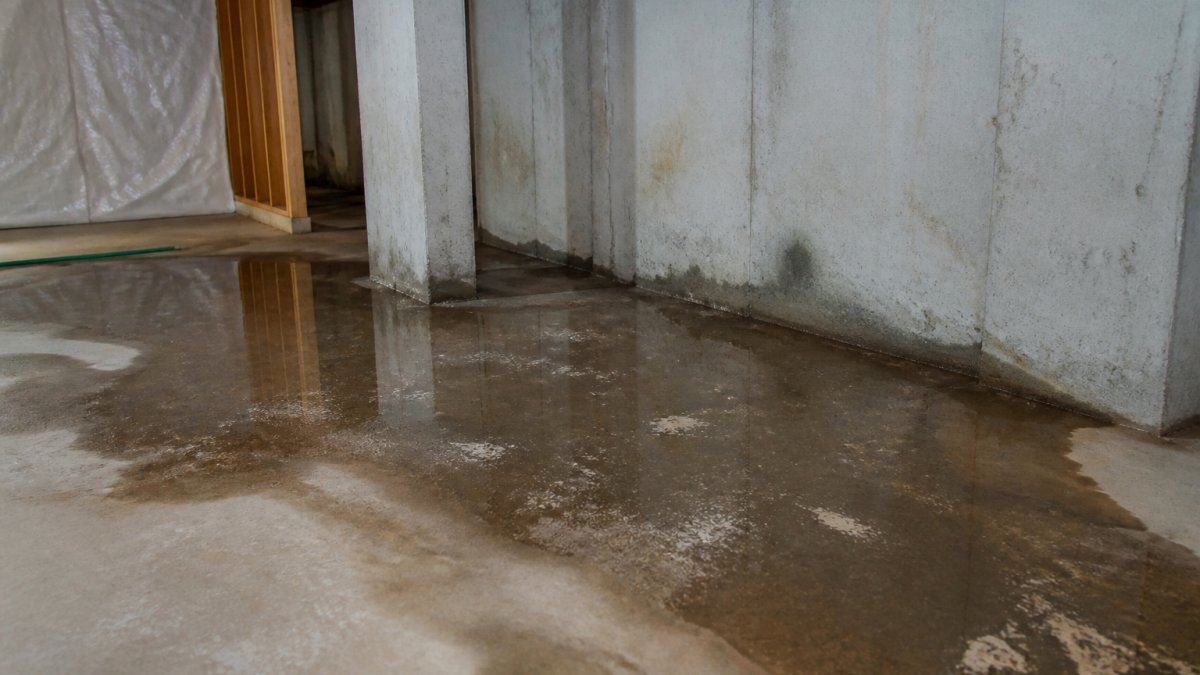
Basement water intrusion is water entering your basement from outside sources. It comes through cracks, poor drainage, or failed sealing. According to industry data on basement water intrusion prevalence, approximately 98% of basements will experience some form of water intrusion during their lifespan.
Water damage causes mold growth, structural weakening, and costly repairs, averaging $1,381 to $6,350 depending on severity.
Early identification saves money and prevents structural failure.
Signs of Foundation Water Damage to Look For
Visual indicators on walls and floors
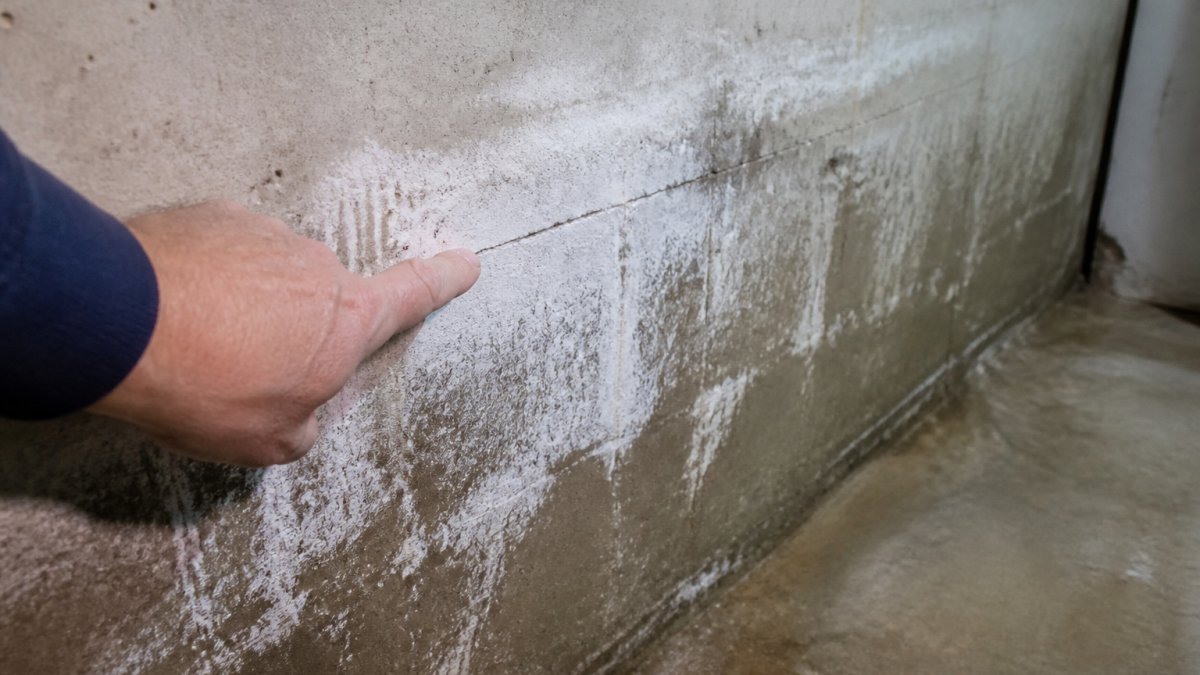
Efflorescence appears as white, chalky deposits on concrete, indicating water has traveled through and evaporated, a sign of basement water intrusion from outside, not condensation.
Staining and discoloration show where water has been. Fresh stains suggest active intrusion; old stains indicate past problems.
Visible cracks in foundation walls allow water seepage. Horizontal cracks indicate structural stress and are most serious.
Peeling paint or bubbling on basement walls indicates moisture pushing through from outside, often accompanied by staining or soft drywall.
Structural and sensory clues
Musty odors indicate elevated moisture levels and possible mold growth from intrusion or poor ventilation.
Visible mold or mildew on walls, floors, or items confirms moisture problems.
Damp spots on floors or walls indicate active seepage. Cold, wet spots suggest water intrusion from outside.
Condensation on windows and pipes signals high humidity but not necessarily water intrusion.
How to distinguish condensation from water intrusion
Condensation appears on windows, pipes, and cold surfaces uniformly during temperature changes, with no pooling or running water.
Condensation causes: High humidity (above 60%), poor air circulation, or moisture from laundry, showers, or cooking.
Water intrusion causes: Foundation cracks, failed weeping tile, poor grading, clogged gutters, or blocked window drains.
Quick diagnostic tests
-
The plastic sheet test: Tape plastic over a damp area for 24 hours. Moisture under the plastic = intrusion. Condensation on the plastic with dry wall underneath = humidity problem.
-
The timing test: Does the moisture appear or worsen during or after rain? If yes, intrusion is likely. Does it appear only in summer or after hot showers? Condensation is more likely.
-
The location test: Is moisture concentrated in one area (near a crack, window, or corner) or spread throughout the basement? Localized = intrusion. Widespread = condensation or ventilation.
-
The touch test: Does the affected area feel cold and damp, or just humid? Cold surfaces with condensation are typical of humidity problems. Damp concrete or soft drywall suggests intrusion.
Condensation is solved with ventilation or dehumidification. Water intrusion requires drainage, sealing, or grading work.
Step-by-Step Inspection Process for Basement Water Intrusion
Step 1: Examine exterior grading and drainage
Start outside. The ground around your foundation controls water flow.
Check that ground slopes away from the foundation at least 15 cm over 3 meters. Ensure downspouts direct water at least 1.2 to 1.8 meters away.
Step 2: Inspect gutters, downspouts, and splash blocks
Gutters and downspouts are your first defense against water intrusion.
Clean gutters twice yearly. Ensure downspout extensions carry water 1.2 to 1.8 meters from the foundation. Replace gutters and downspouts with rust or damage.
Step 3: Check window wells and basement windows
Basement windows are common water entry points.
Inspect window wells for debris and drainage problems. Check window sealing for cracks and dried caulk. Clear debris before heavy rain.
Step 4: Evaluate foundation cracks and sealing
Cracks are highways for water.
Identify crack types: horizontal (serious, structural stress), vertical (common, allow seepage), or diagonal (settlement). Measure width, hairline cracks are less urgent; wider cracks need attention. Check for exposed or failed weeping tile.
Step 5: Test for moisture and humidity levels
Moisture testing confirms what your eyes see.
Use a humidity meter to measure basement humidity in multiple spots. Humidity above 60% creates mold risk. Check readings after rain to detect active intrusion.
DIY Moisture Testing Methods
DIY moisture testing helps you determine whether you're dealing with active water intrusion, condensation, or normal humidity fluctuation.
The plastic sheet test (24-hour condensation check)
How to perform it:
- Select a damp-looking area on your basement wall or floor.
- Tape a clear plastic sheet (at least 30 cm x 30 cm) flat against the surface with all edges sealed using duct tape or painter's tape.
- Leave it undisturbed for 24 hours.
- Lift the tape and inspect the underside of the plastic.
What the results mean:
- Moisture beads or water droplets under the plastic = Water is migrating through the concrete from outside. This is active intrusion. You need drainage or sealing work.
- Condensation or fogging on the plastic, but the wall underneath is dry = The moisture is coming from humid basement air, not from outside. This is a ventilation or humidity control issue, not structural water intrusion. Improved air circulation, a dehumidifier, or exhaust fans may solve it.
- Completely dry under the plastic = No moisture problem in that spot.
Run tests in multiple locations. Patterns show whether intrusion is localized or widespread.
Moisture meter testing (concrete and drywall)
A moisture meter gives you a numerical reading of water content in materials.
How to use it:
- Press the meter's pins firmly into concrete, drywall, or wood.
- Record the reading.
- Test the same spot weekly, especially after rain.
- Compare readings over time.
Interpreting readings:
- Concrete moisture readings above 4-5% indicate water movement through the material.
- Drywall readings above 12-15% suggest moisture problems.
- Rising readings after rain confirm active intrusion. Stable readings suggest the moisture is from humidity, not leakage.
Track readings over two weeks. Spikes after rain indicate active intrusion; constant readings suggest condensation.
Humidity meter tracking (daily monitoring)
A basic humidity meter (hygrometer) reveals whether your basement's moisture problem is structural or environmental.
How to monitor:
- Place the meter in the centre of your basement, away from walls and windows.
- Record the reading daily at the same time for 7-14 days.
- Note weather events (rain, snow melt) and their timing.
- Track humidity before, during, and after rain.
What to look for:
- Humidity below 50% = No moisture problem.
- Humidity 50-60% = Borderline; consider a dehumidifier or improved ventilation.
- Humidity above 60% = Mold risk; investigate the source.
If humidity drops with ventilation or dehumidification, the problem is excess air moisture. If it stays high despite ventilation, water is entering from outside.
Calcium chloride test (concrete moisture depth)
This test measures moisture in concrete itself, not just on the surface.
How to perform it:
- Place anhydrous calcium chloride (available at hardware stores, often sold as a drying agent) in a shallow container.
- Set the container on the basement floor in an inconspicuous spot.
- Cover it with a larger container or plastic dome to seal it from air.
- Leave it for 24-48 hours.
- Weigh the calcium chloride before and after.
Interpreting results:
- If the calcium chloride absorbs moisture and gains weight, water is present in the concrete. The greater the weight gain, the more moisture is moving through.
- This test is less precise than a moisture meter but useful for confirming that concrete is actively wicking water.
Visual moisture mapping (pattern recognition)
Combine all your test results into a visual map.
Create a simple sketch of your basement showing:
- Locations where the plastic sheet test showed intrusion water (mark with a red X).
- Areas where humidity spiked after rain (mark with an orange circle).
- Cracks, window wells, and drainage features (mark in blue).
Patterns emerge. Water entering near a window well points to that well's drainage failure. Moisture concentrated along one wall suggests a crack or grading problem on that side. Humidity spikes throughout the basement after rain, with no localized intrusion, points to condensation or a failed sump pump.
Decision framework: When to stop testing and call a professional
Use your test results to decide next steps:
- Plastic sheet test shows intrusion water + humidity meter shows spikes after rain = Active water intrusion confirmed. You need drainage, grading, or sealing work. Get a professional assessment.
- Plastic sheet test shows condensation only + humidity meter stays high = Ventilation or dehumidification will likely solve it. Try improved air circulation first.
- Moisture meter readings above 5% in concrete + cracks wider than 1/8 inch = Water is moving through structural material. Professional waterproofing is warranted.
These DIY tests cost under $50 total and take a few hours over a week. They give you confidence in your diagnosis and help you communicate the problem clearly to a contractor if you need one.
How to Stop Basement Wall Seepage
Foundation crack injection fills cracks with epoxy or polyurethane. This seals pathways water uses to enter.
Sump pump installation removes water that enters your basement and prevents flooding.
Improve exterior grading to slope water away. Without proper grading, other fixes won't fully solve the problem.
Install or repair weeping tile. This subsurface drainage system is crucial.
The best approach combines exterior prevention with interior backup systems.
Does Homeowners Insurance Cover Basement Water Damage
Sudden, accidental damage (pipe burst, sudden foundation crack) is typically covered. Gradual seepage from poor drainage or cracks is usually not covered. Flooding from heavy rain or rivers is typically excluded; you need separate flood insurance.
According to forensic engineering research on water intrusion causation, determining whether damage is covered often requires professional investigation. Insurance companies may demand proof of the cause before approving claims.
When to Call a Professional for Basement Water Intrusion
Call a professional if:
- Cracks are wider than 1/4 inch
- Water actively enters your basement during rain
- Humidity stays above 70% despite your efforts
Forensic engineering investigation determines the exact cause of water intrusion. According to forensic engineering case studies on basement water damage, specialized investigation is required to identify the specific source when surface-level observation fails.
Professional waterproofing contractors assess your entire system. They check grading, drainage, foundation integrity, and sealing.
Mold remediation specialists handle serious mold problems. Mold cleanup is hazardous. Professionals have proper equipment and training.
DrainageBusters provides free estimates and thorough inspection to identify the cause and recommend solutions for your situation and budget.
Basement water intrusion affects nearly every homeowner. Early identification saves thousands in repair costs.
Frequently Asked Questions
How do I distinguish between condensation and actual basement water intrusion?
Condensation forms on pipes, windows, and walls when warm, humid air contacts cold surfaces, typically appearing as uniform moisture. True water intrusion enters through cracks, seams, or drainage failures and often concentrates near the foundation perimeter or window wells. To test: wipe the wet surface and place a plastic sheet over it for 24 hours. If moisture reappears under the sheet, it's condensation; if it appears outside the sheet, it's water intrusion. Intrusion typically carries mineral deposits (efflorescence) or musty odors, while condensation does not.
What does basement water damage look like on concrete walls?
Water damage on concrete appears as white, chalky mineral deposits (efflorescence), discoloration stains, or tide lines marking previous water levels. You may see peeling paint, rust stains from reinforcing steel, soft or crumbling concrete texture, or visible cracks with water seepage. Horizontal cracks often indicate hydrostatic pressure from water table rise, while vertical cracks suggest foundation settlement. Mold growth (dark spots or patches) and musty odors confirm prolonged moisture exposure. These signs indicate that water has penetrated the concrete's porosity and requires professional evaluation.
Can water seepage be fixed before it causes structural damage?
Yes, early intervention is critical. Minor seepage through foundation cracks or from failed weeping tile can be addressed with interior or exterior drainage solutions, waterproofing sealants, or sump pump installation before structural integrity is compromised. However, forensic engineering investigation is often required to identify the exact source and cause of seepage, as surface observation alone frequently misses the true entry point. Professional assessment determines whether the issue stems from grading problems, drainage system failure, or foundation defects, each requiring different repair approaches. Delaying treatment allows water to continue degrading concrete and creating conditions for mold growth and structural settlement.
When should I call a professional for basement water intrusion?
Contact a professional immediately if you observe multiple signs of water intrusion (cracks, efflorescence, musty odors, or visible seepage), if water appears after heavy rain or during spring snowmelt, or if DIY moisture testing confirms intrusion rather than condensation. Professional help is essential if you suspect foundation cracks, failed weeping tile, or hydrostatic pressure issues, as these require specialized knowledge to diagnose and repair correctly. A free estimate helps determine whether the problem is a simple maintenance fix (clogged gutters, poor grading) or requires drain tile installation, waterproofing, or sump pump systems.