 how-to
Signs of Sewer Line Damage: 7 Warning Signs to Know
Table of Contents
- Signs of Sewer Line Damage Every Homeowner Should Recognize
- Collapsed Sewer Line Symptoms You Should Not Ignore
- Sewer Gas Smell in House: What It Means for Your Pipes
- Clog or Break? How to Distinguish Sewer Line Damage from a Simple Blockage
- Safe Checks Homeowners Can Do Before Calling a Professional
- Sewer Line Inspection Camera: What the Diagnostic Process Reveals
- Sewer Line Repair or Replacement: Making the Right Decision
- What to Do Next: Urgency, Health Precautions, and Your Options
- Frequently Asked Questions
Last Updated: October 5, 2026
Signs of Sewer Line Damage Every Homeowner Should Recognize
Most homeowners don't think about their sewer line until something goes wrong.
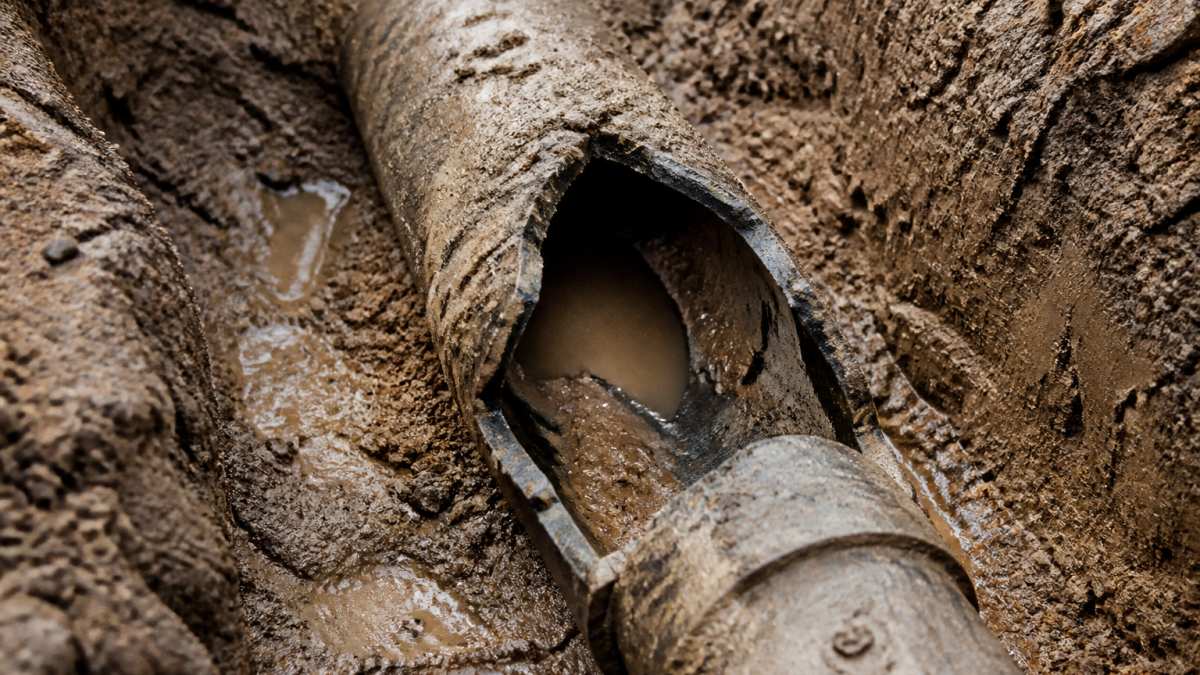
Sewer line damage is any physical failure of the pipe carrying waste from your home to the municipal system, a crack, joint separation, collapse, or root blockage.
Below are the warning signs in the order they usually appear, plus safe checks you can do yourself and what an inspection reveals.
Slow Drains and Gurgling Pipes
A single slow drain is usually a local clog. Multiple slow drains, or a drain that gurgles after use, point to the main line:
- One slow sink: likely hair, grease, or soap buildup in that trap
- Every drain running slow: the blockage is in the shared sewer pipe
- Gurgling toilet or pipes: air is trapped because water can't flow freely
Gurgling is the tell. If you hear it in more than one fixture, stop using water and get the line checked.
Multiple Drains Backing Up at Once
When several fixtures back up together, the main sewer line is blocked or broken:
- Backups in the lowest fixtures first (basement floor drain, shower)
- Toilets that flush weakly or not at all
- Water rising in one drain when you use another
If flushing a toilet makes your shower drain bubble, the main line is the problem. No drain cleaner will fix it.
Collapsed Sewer Line Symptoms You Should Not Ignore
A collapsed sewer line is the most serious stage of damage. The pipe has failed structurally, and waste has nowhere to go. These symptoms tend to appear together.
Sewage Backup and Water in the Basement
Raw sewage backing up into your basement is a health hazard, not just a mess, it carries bacteria and pathogens needing proper cleanup (Flood cleanup: keep in mind indoor air quality). Watch for dark water rising from floor drains, lingering sewage odor, and staining or wet patches on basement walls and floors. If this happens, stop using water and call a professional.
Sinkholes, Soggy Yard, and Foundation Cracks
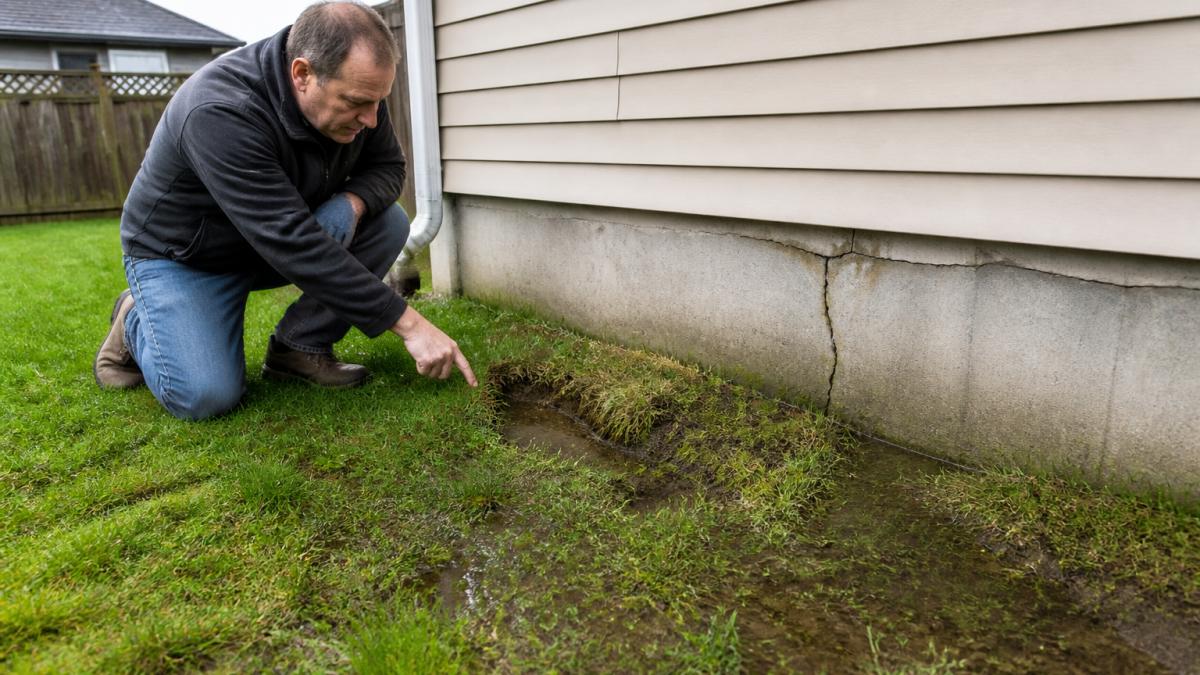
The ground above a damaged sewer line often gives away what's happening below, as soil settles into the void left by escaping water or a collapsed pipe. Watch for sunken or unusually lush grass, soggy spots that stay wet in dry weather, small sinkholes along the sewer path, and new foundation cracks or settling floors.
Sewer Gas Smell in House: What It Means for Your Pipes
A sewer gas smell in the house means the system's seal is broken somewhere. Sewer gas contains hydrogen sulfide, which smells like rotten eggs (Hydrogen sulfide and your health).
Where the smell shows up tells you a lot:
- One bathroom: likely a dry trap or loose toilet seal
- Basement or laundry room: often a floor drain that has dried out
- Whole house or yard: usually a cracked pipe or broken sewer line
A dry trap is a simple fix. Pour water down floor drains you don't use often.
Sewer gas is also a safety concern. In high concentrations, it's flammable and can cause headaches and nausea. Ventilate the area and get the line inspected.
Clog or Break? How to Distinguish Sewer Line Damage from a Simple Blockage
Most homeowners can't tell a clog from a break, and the symptoms genuinely overlap. What separates them is where the problem sits and how it behaves over time.
Start with the scope of the symptom
The most useful question: how many fixtures are affected, and which ones?
- One fixture only (a single sink, tub, or toilet): almost always a local clog in that trap, tailpiece, or branch line. Hair, grease, soap scum, and flushed wipes are the usual culprits.
- All fixtures on one floor or one side of the house: the blockage is in a branch line serving that group, not the main sewer.
- Fixtures across multiple floors, including the lowest drain: the main line is the problem, pointing to sewer line damage or a main-line blockage.
Rule out the problems that mimic a sewer break
Several common issues mimic main-line damage but aren't:
- A venting problem. Every drain needs air behind it to flow. If a vent stack is blocked by debris, a bird's nest, or frost, drains gurgle, flush weakly, and can even siphon water out of traps. The tell is slow drains with no sewage odor and no yard sign. A plumber can test venting separately from the drain line.
- A water-supply leak. A constant wet spot or unexplained high water bill with no drain symptoms points to a supply line, not the sewer. Supply leaks run continuously; sewer problems usually show up when you use water.
- A single fixture with its own partial clog. A toilet that flushes weakly on its own, while every other drain is fine, is a toilet problem, not a sewer problem.
The behavior test: recurrence and response
How a problem responds to clearing is one of the strongest signals:
- A true clog clears with snaking or hydro-jetting and stays clear for months or longer.
- A damaged line keeps returning, often at the same point, because the pipe itself is cracked, offset, or root-invaded. If you have cleared the same line more than twice in a year, treat it as damage until a camera says otherwise.
- A collapsing line may drain normally, then back up suddenly when debris catches on the broken edge.
A quick symptom-to-likely-cause guide
| What you notice | Most likely cause |
|---|---|
| One slow drain, no odor | Local clog in that fixture |
| Multiple slow drains, gurgling, no yard signs | Main-line blockage or venting issue |
| Gurgling plus strong odor plus recurring backups | Main-line damage |
| Wet spot or high water bill, drains fine | Water-supply leak |
| Odor in one unused bathroom only | Dry trap |
| Soggy yard, sinkhole, foundation cracks | Confirmed or likely sewer line damage |
When the distinction matters most
If you are unsure, stop using water in the affected fixtures and book an inspection. A camera inspection is the only way to confirm what's happening inside the pipe, and it costs far less than repairing damage a repeated clog was masking.
Safe Checks Homeowners Can Do Before Calling a Professional
You can gather useful information without touching the sewer line itself. These safe checks help a technician diagnose faster.
- Test each drain separately to map which fixtures are affected
- Listen for gurgling after flushing and note which fixture makes noise
- Check floor drains in the basement for standing water or odor
Do not open the cleanout cap if it's under pressure or if sewage is present. Do not pour chemical drain cleaner into a line you suspect is damaged. It can harm pipes and won't fix a break.
Sewer Line Inspection Camera: What the Diagnostic Process Reveals
A sewer line inspection camera is a flexible cable with a waterproof camera on the end. It travels through the pipe and sends live video to a monitor above ground.
The camera shows exactly what's happening inside the pipe:
- Cracks, offsets, and joint separations
- Tree root intrusion at specific points
- Collapsed sections and debris buildup
Most inspections also include a locator that marks the problem's depth and position on the surface.
This is the only way to know for sure. Guessing from symptoms alone leads to wrong repairs and repeat problems.
Sewer Line Repair or Replacement: Making the Right Decision
The right choice depends on the pipe's condition, not just the symptom you noticed. A camera inspection gives you the facts, and the decision usually comes down to four factors: the extent of damage, the pipe material and age, how deep the line sits, and what is above it.
The main repair paths
Spot repair (open excavation). A section of pipe is dug up and replaced.
Pipe lining (cured-in-place pipe). A resin-saturated liner is inserted into the existing pipe and cured in place, forming a new pipe inside the old one.
Pipe bursting. A bursting head is pulled through the old pipe, breaking it outward while pulling new pipe in behind it.
Full replacement. When the pipe is failing along most of its length, common with older clay or cast-iron lines, replacing the whole run is usually the better long-term call.
How pipe material and age factor in
- Clay tile: common in older homes, prone to joint separation and root intrusion at the joints. Often a candidate for lining if the pipe is otherwise intact.
- Cast iron: corrodes and scales from the inside over decades, narrowing the bore and eventually cracking. Deterioration is often widespread, which pushes toward replacement.
- Orangeburg: a historical fiber pipe that deforms and collapses. It cannot be lined and is almost always replaced.
Access and depth change the math
A line two feet deep under a lawn is a very different job from a line eight feet deep under a concrete driveway or a mature tree. Depth drives excavation cost, and what sits above the line drives restoration cost. This is why two homes with the same symptom can get very different quotes. A locator reading from the camera inspection tells you exactly where the problem sits before anyone quotes the work.
Questions worth asking before you commit
- What did the camera show, and can I see the footage?
- Is the damage localized or is the pipe failing in more than one place?
- Which repair methods are suitable for this pipe material and this access?
The trade-off in plain terms
A spot repair is cheaper and faster but only makes sense if the rest of the pipe is sound. Lining avoids digging but only works on pipes that can hold a liner. Replacement costs the most but ends the problem long term. The camera inspection turns that from a guess into a decision.
What to Do Next: Urgency, Health Precautions, and Your Options
Some signs can wait a day. Others can't. Use this to decide how fast to act.
Call immediately if you see:
- Sewage backing up into the home
- A sinkhole forming near the foundation
- Strong sewer gas smell throughout the house
Call within a day or two if you notice:
- Multiple slow drains that keep returning
- Gurgling in more than one fixture
- Soggy yard patches or new foundation cracks
While you wait, limit water use, avoid chemical cleaners, and keep children and pets away from affected areas. If sewage has entered the home, wear gloves and disinfect thoroughly.
For homeowners across Metro Vancouver and the Fraser Valley, DrainageBusters handles sewer repair, drain tile installation, and wet basement solutions.
Frequently Asked Questions
What are four signs that your sewer line is broken?
Four clear signs of sewer line damage are multiple drains backing up at once, gurgling sounds from toilets and pipes, a sewer gas smell in house areas like the basement, and unusually lush or soggy patches in the yard. Slow drains in several fixtures at the same time also point to a main line problem rather than a single clog. If you notice two or more of these together, book a professional inspection rather than waiting for the next backup.
Can you get sick from a broken sewer line?
Yes. Sewage carries bacteria, viruses, and parasites that can cause gastrointestinal illness, skin infections, and other health problems. A broken sewer line can leak into soil, groundwater, or your basement, and sewer gas can also cause headaches and breathing irritation in enclosed spaces. Avoid contact with standing water or damp areas near a suspected leak, wear gloves and boots if you must move items, wash thoroughly afterward, and keep children and pets away until a professional has assessed and contained the problem.
Can a damaged sewer line cause multiple drains to back up?
Yes, and this is one of the most reliable signs of sewer line damage. When a single sink or shower clogs, the blockage is usually in that fixture's branch line. When several drains slow down or back up together, especially on the lowest level of the home, the problem is almost always in the main sewer line. Tree root intrusion, a collapsed sewer line, or a significant blockage in the main pipe will affect every fixture connected to it.
How can I tell if a sewer line problem is a clog or a break?
A clog typically develops gradually, affects one or two fixtures, and may respond to plunging or drain cleaning. A break or collapsed sewer line often shows sudden, repeated backups across multiple drains, gurgling pipes, sewage odors, and sometimes sunken or soggy ground above the line. A sewer line inspection camera is the only reliable way to tell the difference, because it shows the inside of the pipe and reveals cracks, offsets, root intrusion, or collapse that snaking cannot fix.
Sewer line damage rarely fixes itself, and the warning signs only get louder with time. If you've noticed slow drains, gurgling pipes, or a sewer smell that won't go away, the smart move is a camera inspection before it becomes an emergency. DrainageBusters offers professional sewer repair, drain tile installation, and wet basement solutions with free estimates. Call (778) 320-4013 and get a clear answer about what's happening under your home.