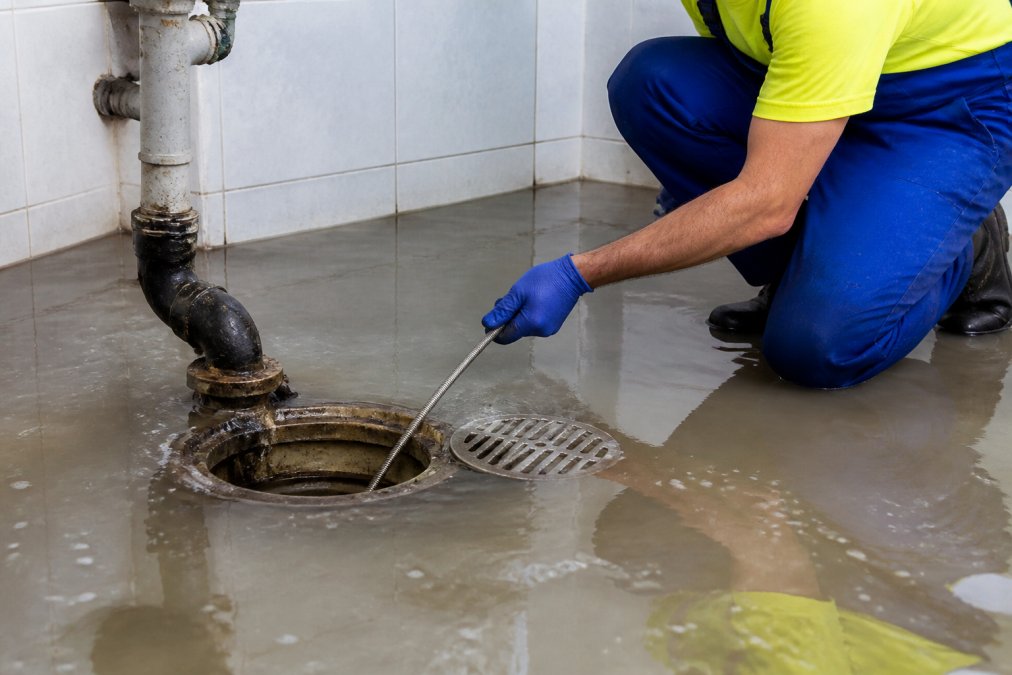
 how-to
How to Stop Sewer Backups: Prevention & Emergency Steps
Table of Contents
- Understanding Sewer Backups and Your Drainage System
- Signs of a Main Sewer Line Blockage
- Backwater Valve Installation: Your First Line of Defense
- What Not to Flush Down the Toilet
- Disconnect Downspouts and Sump Pumps From the Sanitary Sewer
- Maintain Your Plumbing Lines and Prevent Tree Root Intrusion
- What to Do During a Sewer Backup: Immediate Response Steps
- Frequently Asked Questions
Last Updated: September 20, 2026
Understanding Sewer Backups and Your Drainage System
A sewer backup occurs when wastewater flows backward into your home instead of moving away through the main sewer line. To stop sewer backups, you need to understand how they happen and what preventative measures work. This happens when your drainage system gets blocked or overwhelmed, forcing sewage into basement drains, toilets, showers, and sinks.
Signs of a Main Sewer Line Blockage
Multiple drains backing up at the same time indicates a main sewer line issue rather than a single clogged drain.
Watch for these specific warning signs:
- Multiple fixtures draining slowly, toilets, showers, sinks, and tubs all slow down simultaneously
- Gurgling sounds from drains or toilets when water runs elsewhere in the home
- Sewage smell in your basement, yard, or around cleanout access points
- Wet patches or lush grass growth in your yard (indicates a leak in the sewer lateral)
- Basement flooding with dark water that smells like sewage
- Repeated backups even after you've had drains cleared
Backwater Valve Installation: Your First Line of Defense
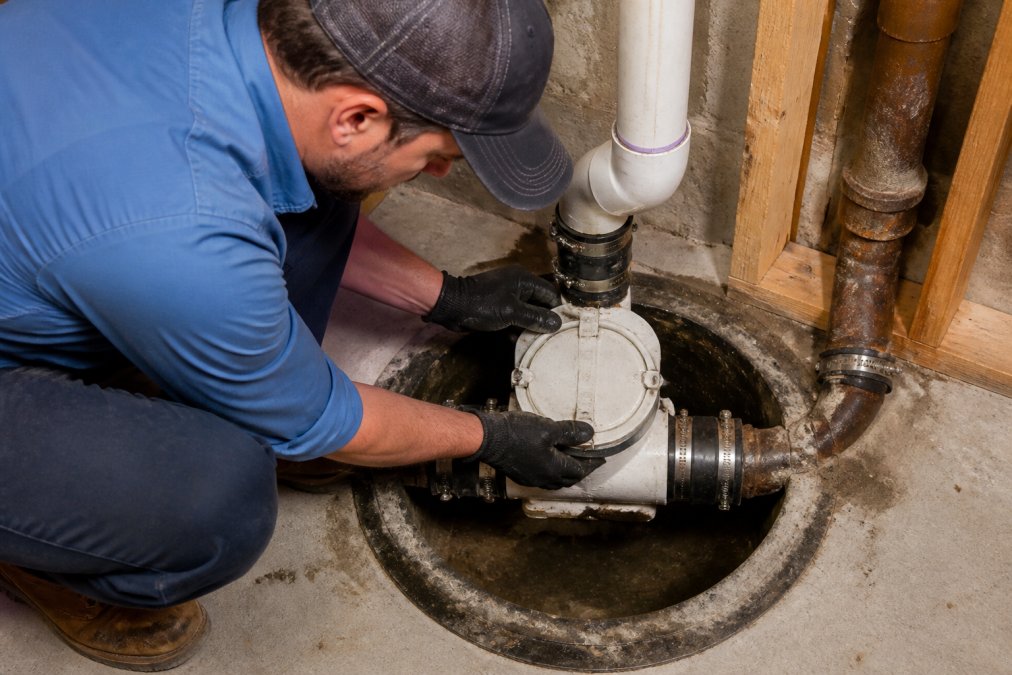
A backwater valve is a one-way device installed in your sewer line that allows wastewater to flow out but prevents it from flowing backward into your home, your most reliable defense against sewer backups.
Professional Installation vs. DIY Scope
Backwater valve installation is not a DIY project in most jurisdictions. Installation requires a licensed plumber because most provincial plumbing codes mandate it, your municipality likely requires a permit, improper installation can void your insurance claim, and accessing your cleanout often requires excavation and professional expertise to avoid damaging utilities.
For Renters and Apartment Dwellers
If you rent or live in a multi-unit building, request in writing that your landlord or building management install a backwater valve on the building's main sewer line. Confirm whether your renter's insurance covers sewer backup damage; many standard policies exclude it. Keep copies of all written requests to support an insurance claim if a backup occurs due to the building's negligence.
Maintenance and Inspection
Once installed, have your plumber inspect the valve annually, especially before spring snowmelt and heavy rain season. Keep your sewer cleanout accessible and clearly marked. Avoid flushing materials that could lodge in the valve, and schedule hydro-jetting every 2-3 years.
What Not to Flush Down the Toilet
Flushing the wrong materials is one of the leading causes of sewer blockages.
Never flush these items:
- Paper products, facial tissues, paper towels, napkins, wipes (even "flushable" wipes don't break down properly)
- Personal hygiene products, feminine hygiene products, diapers, cotton swabs, dental floss
- Medications, flushing unused pills contaminates water systems
- Grease and oils, cooking oil, butter, and bacon grease solidify in pipes and create blockages
- Food scraps, coffee grounds, eggshells, vegetable peels
- Hair, accumulates and tangles with other debris
- Pet waste and litter, clogs pipes and damages treatment systems
- Chemicals and cleaners, bleach, drain cleaners, and solvents damage pipes and harm ecosystems
Disconnect Downspouts and Sump Pumps From the Sanitary Sewer
If your downspouts or sump pump drain into the sanitary sewer instead of the storm system, you're adding to the burden during heavy rain and increasing your backup risk.
Maintain Your Plumbing Lines and Prevent Tree Root Intrusion
Tree roots are among the most damaging threats to sewer laterals, penetrating even small cracks in older pipes as they seek moisture and nutrients.
What to Do During a Sewer Backup: Immediate Response Steps
If sewage is actively backing up into your home, take these steps immediately to minimize damage, protect your health, and preserve your ability to file an insurance claim.
Immediate Safety and Containment (First 30 Minutes)
Stop all water use:
- Stop all water use in your home, no showers, toilets, laundry, or dishwashing
- Each use adds more sewage to your basement
Protect your health:
- Do not touch sewage or contaminated water; it contains harmful bacteria, viruses, and pathogens
- Keep children and pets away from affected areas
- Wear gloves, a mask, and eye protection if you must enter the area
- If sewage has contacted your HVAC system, turn off the furnace or air conditioning
Documentation for Insurance Claims (Critical)
Document immediately, before cleanup begins.
Photo and Video Documentation:
- Take photos and video as soon as you notice the backup, using your phone's camera for automatic date and time stamps.
- Photograph the entire affected area, water lines on walls, damaged materials, and which drains are backing up.
- Photograph outdoor evidence (wet patches, lush grass, pooling water) and your sewer cleanout.
- Record a 2-3 minute video narrating the damage, describing what you see and when you discovered it.
Written Documentation:
- Timeline: Write down the exact date and time you first noticed the backup, what you observed, and when you called for help.
- Weather conditions: Note if there was heavy rain, snowmelt, or other weather that preceded the backup. This is relevant to your claim.
- Previous incidents: Document if this is a repeat backup. Multiple backups strengthen your case that the issue is systemic, not a one-time event.
- Maintenance history: Keep records of any previous drain cleaning, sewer scope inspections, or plumbing work. This shows you took reasonable steps to prevent the backup.
Receipts and Estimates:
- Emergency service calls: Keep receipts from the plumber or drainage contractor you call during the backup.
- Cleanup and remediation: Obtain written estimates and invoices from professional hazardous waste removal companies. Do not attempt to clean up sewage yourself; professional cleanup is both safer and required for insurance purposes.
- Replacement items: Keep receipts for any damaged items you must discard (drywall, insulation, carpet, personal property). Take photos of items before disposal.
- Temporary repairs: If you need to board up windows, rent a dehumidifier, or take other emergency measures, keep all receipts.
Calling for Professional Help
Contact a licensed plumber or drainage contractor immediately:
- Call during business hours if possible, but do not delay if it is after hours. Many contractors offer emergency services.
- Describe the backup clearly: which drains are affected, whether it is the first time, and whether there was recent heavy rain.
- Ask the contractor to identify the cause (blockage, root intrusion, municipal sewer issue, or pipe damage). This information is essential for your insurance claim.
Contact your homeowner's insurance:
- Call your insurance provider as soon as you have confirmed a sewer backup. Some policies require notification within 24-48 hours.
- Ask specifically whether sewage backup is covered under your policy. Many standard homeowner policies exclude it; you may have purchased it as an optional add-on.
- Provide your claim number and the date and time of the backup.
- Ask your adjuster what documentation they require and whether they will send an inspector to assess the damage.
- Ask whether the insurance company has a preferred contractor for cleanup and remediation, or whether you can choose your own.
Contact your municipality (if applicable):
- If the backup is caused by a blockage or failure in the municipal sewer main (not your lateral), your municipality may be liable. Contact your local public works or water department to report the issue.
- Ask whether other properties in your area experienced backups at the same time. This strengthens a claim against the municipality.
- Request a copy of any municipal sewer maintenance records for your address.
Cleanup and Restoration
Do not attempt to clean up sewage yourself:
- Hire a professional hazardous waste removal company. They have the equipment, training, and disposal permits to handle contaminated materials safely.
- Professional cleanup typically includes removal of contaminated drywall, insulation, and flooring; disinfection of hard surfaces; and dehumidification to prevent mold.
Discard contaminated items:
- Any porous material that contacted sewage (drywall, insulation, carpet, padding, wood framing) must be removed and disposed of as hazardous waste.
- Hard surfaces (concrete, tile, sealed wood) can be disinfected with a bleach solution (1 part bleach to 10 parts water) after professional cleanup.
- Personal items (clothing, bedding, toys) that contacted sewage should be discarded unless they can be professionally cleaned and disinfected.
Prevent mold:
- After cleanup, run dehumidifiers and fans continuously for several days to dry the space.
- Monitor for mold growth over the following weeks. If mold appears, hire a mold remediation specialist.
After the Backup Is Resolved
Schedule a sewer scope inspection:
- Within 1-2 weeks, hire a licensed plumber to perform a sewer scope inspection. This identifies what caused the blockage (tree roots, grease, collapsed pipe, or municipal sewer failure).
- Obtain a written report with photos or video from the scope. This documentation is valuable for your insurance claim and for planning future prevention.
Determine the root cause and prevent recurrence:
- If the cause is a blockage in your lateral (grease, roots, debris), schedule professional hydro-jetting to clear it and discuss preventative maintenance.
- If the cause is tree root intrusion, discuss root barriers or pipe replacement options.
- If the cause is a municipal sewer failure, work with your insurance adjuster to pursue a claim against the municipality.
- If the cause is inadequate capacity during heavy rain, consider installing a backwater valve or disconnecting downspouts and sump pumps from the sanitary sewer.
Review your insurance coverage:
- After the claim is resolved, review your homeowner's insurance policy. If sewage backup is not covered, purchase the optional add-on for future protection.
- Ask your insurance provider about other coverage gaps (water backup, sump pump failure, foundation cracks) that could lead to similar damage.
Frequently Asked Questions
What are the most common causes of residential sewer backups?
The main causes include tree roots penetrating sewer laterals, grease and solid buildup in drain pipes, aging or damaged plumbing infrastructure, and heavy rainfall overwhelming the sanitary sewer system. Flushing non-degradable items and FOG (fats, oils, and grease) accelerates blockage formation. A sewer scope inspection can identify the specific cause in your home's sewage system.
Are backwater valves effective at preventing sewage backups?
Backwater valves are highly effective when properly installed by a licensed contractor. They allow wastewater to flow out but automatically close if sewage tries to flow backward into your home. However, they require regular inspection and maintenance to function reliably. Some expandable or budget plugs offer temporary solutions but are not guaranteed to prevent backups compared to professional-grade backwater valves.
How often should I have my sewer lines inspected by a professional?
Most homeowners should have a sewer scope inspection every 3-5 years, or immediately if you notice signs of blockage like slow drains or basement backups. Homes with older plumbing infrastructure, tree-lined properties, or a history of backups benefit from annual inspections. Early detection of pipe damage or root intrusion prevents costly emergency repairs and water damage.
Does home insurance cover damage caused by sewer backups?
Standard homeowner insurance typically does not cover sewer backup damage. However, many insurers offer sewer backup coverage as an optional add-on for a modest premium. Document any backup incidents with photos and receipts for potential claims. Ask your insurance provider about coverage options and whether preventative measures like backwater valve installation qualify for discounts.