 blog
blog
Emergency Sewer Repair Services: What You Need to Know
Table of Contents
- When Emergency Sewer Repair Is Necessary
- Signs of a Collapsed Sewer Pipe
- 24/7 Emergency Response and Same-Day Service
- Sewer Line Camera Inspection Services
- Trenchless Sewer Repair Cost and Methods
- Municipal Permits and Regulatory Requirements
- Insurance Coverage and Cost Management
- Frequently Asked Questions
- Conclusion
Last Updated: September 25, 2026
When Emergency Sewer Repair Is Necessary
A sewer line failure can turn into a costly disaster if you wait. The key is knowing when a problem demands immediate professional attention versus when it can wait for a scheduled appointment.
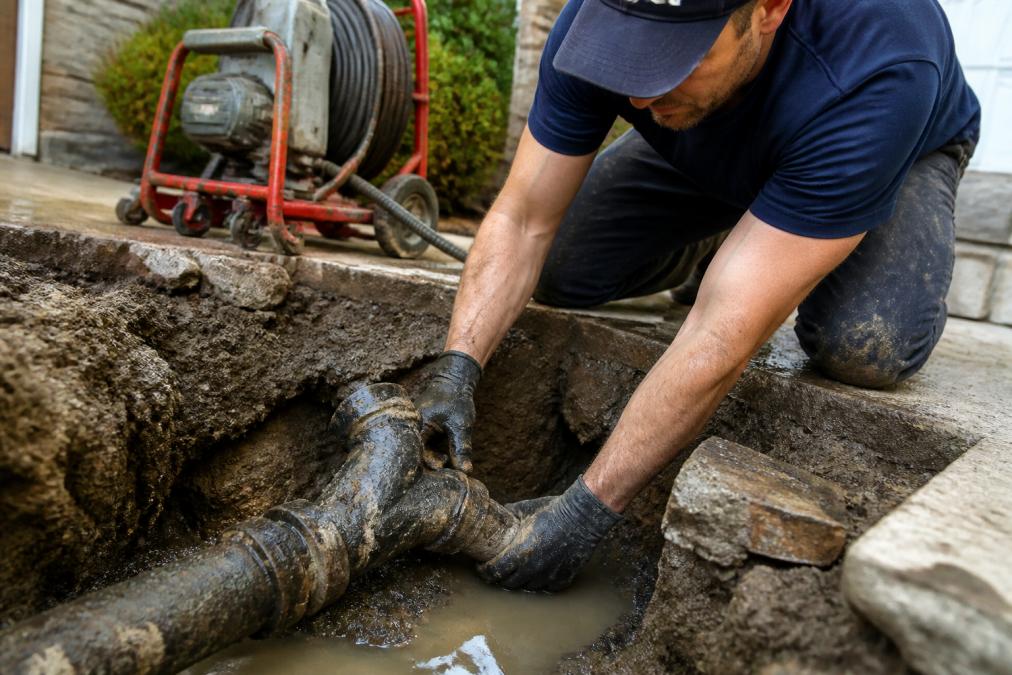
Emergency sewer repair becomes necessary when raw sewage backs up into your basement, sewage pools in your yard, or drainage stops completely. The cost of delay often exceeds the cost of the repair itself.
A burst pipe left unaddressed for days can saturate your foundation and compromise soil stability. The difference between a $3,000 emergency repair and a $30,000 foundation replacement often comes down to hours.
Signs of a Collapsed Sewer Pipe
A collapsed sewer pipe doesn't announce itself politely. The warning signs appear gradually, then escalate quickly if ignored.
Multiple slow drains throughout your home, every toilet, shower, and sink draining sluggishly at once, indicate a blockage in the main sewer line serving your entire property, not a local fixture issue.
Sewage backup in your basement, raw sewage pooling around floor drains, showers, or toilets, is a health hazard and emergency. Ground shifting, tree root intrusion, pipe deterioration, burst pipes, or sewer pipe collapse all create this symptom.
Soggy patches in your yard during dry weather or unusually lush grass patches suggest a leak in your sewer lateral or main line. Foul odors near your foundation or yard indicate sewage escaping into the soil.
According to the City of Vancouver's water and sewer repair guidance, property owners should contact municipal services immediately if they suspect a public sewer issue, or a licensed contractor for private sewer line problems. A sewer camera inspection can confirm whether you're dealing with root intrusion, a collapsed section, or a simple blockage.
24/7 Emergency Response and Same-Day Service
When a sewer emergency hits, rapid response prevents catastrophic damage to your property and foundation.
Professional emergency dispatch systems ensure trained technicians reach you quickly. Many providers offer 24-hour availability because sewer emergencies don't wait for business hours.
Same-day service is standard for emergency sewer repair services in metro areas. Licensed technicians arrive equipped with diagnostic tools, including sewer cameras, to assess the situation before recommending a repair strategy.
Private contractors' rates vary, but emergency response premiums are standard across the industry. The premium you pay for rapid service is far less than the cost of foundation damage or extended property disruption.
Sewer Line Camera Inspection Services
Before recommending a repair strategy, professionals use sewer camera inspection to see exactly what's happening inside your pipe.
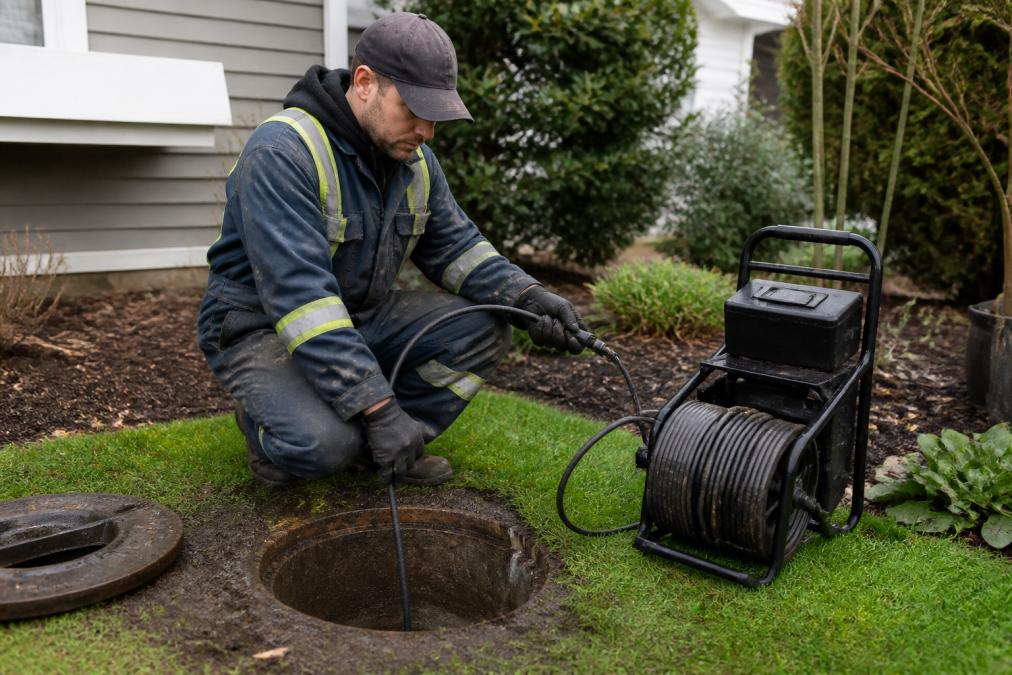
A sewer camera inspection sends a high-resolution camera through your sewer line to identify the exact location and nature of the problem, allowing the technician to map damage, measure pipe diameter, and assess blockages, root intrusion, collapsed sections, or burst pipes.
This technology eliminates guesswork and exploratory trenches.
Trenchless Sewer Repair Cost and Methods
Trenchless technology has transformed sewer repair by eliminating the need for large-scale excavation. This approach reduces property disruption and often costs less than traditional methods.
Municipal Permits and Regulatory Requirements
Working on your sewer line requires municipal permits and inspection. Understanding the process, timelines, and code requirements prevents costly mistakes and protects your property investment.
The City of Vancouver Permit Process
The City of Vancouver requires a permit for any work on your private sewer lateral, the line running from your home to the public main sewer. The permit application is submitted through the City's online portal or in person at the Engineering Services office. You'll need to provide:
- A detailed description of the work (repair, replacement, relining, or excavation)
- The repair method (trenchless or traditional excavation)
- The contractor's business license number and proof of liability insurance (minimum $2 million coverage)
- A site plan showing the sewer line location and any excavation area
- The estimated project timeline
Code Compliance and Inspection Standards
The British Columbia Plumbing Code specifies exact requirements for sewer line repairs:
- Pipe material: PVC, cast iron, or clay tile are standard; the replacement material must match or exceed the original in durability
- Slope: Sewer lines must slope at least 1.5 centimeters per meter toward the main line to ensure proper drainage
- Depth: Lines must be buried below the frost line (typically 1.2 to 1.5 meters in this region) to prevent freezing
- Cleanouts: Access points must be installed at changes in direction and at maximum 30-meter intervals for maintenance
The Inspection Process
After your repair is complete, the City schedules an inspection. The inspector will:
- Verify that the work matches the approved permit scope
- Confirm proper pipe slope using a level or laser
- Check that all connections are secure and properly sealed
- Review the sewer camera inspection footage (if trenchless repair was used) to confirm the liner is properly cured and seated
- Ensure all excavation has been properly backfilled and compacted
Timeline Considerations
Factor permitting into your repair timeline. A typical sewer repair project follows this sequence:
- Initial assessment and camera inspection: 1 day
- Permit application submission: Same day or next business day
- City permit review and approval: 5-10 business days (expedited emergency permits: 1-2 days)
- Repair work: 1-3 days (trenchless) or 3-7 days (excavation)
- City inspection: Scheduled within 5 business days of work completion
- Certificate of Compliance issued: 1-2 business days after passing inspection
Working with Your Contractor on Permits
A reputable contractor handles the permit application, coordinates inspection, and ensures code compliance. They provide the approved permit before work and the Certificate of Compliance after inspection. If a contractor suggests skipping permits, that is a red flag; unpermitted work creates liability and may void insurance coverage.
Insurance Coverage and Cost Management
Understanding your insurance coverage and documenting a sewer emergency can significantly reduce financial impact.
Sewer Backup Coverage: What You Need to Know
Most standard homeowner insurance policies do not cover sewer backup damage. However, most major insurers offer sewer backup endorsements that specifically cover damage caused by a blocked, damaged, or failed sewer line.
Sewer backup coverage typically includes:
- Water damage to your basement, foundation, and personal property caused by sewage backing up into your home
- Cleanup and remediation costs
- Temporary accommodation if your home becomes uninhabitable
- Repair or replacement of damaged fixtures and finishes
What Sewer Backup Coverage Does NOT Cover
It's equally important to understand the exclusions:
- Preventable backups: If the backup was caused by a known blockage you failed to address, some insurers may deny the claim
- Lack of maintenance: If you neglected routine sewer line maintenance and a preventable failure occurs, coverage may be denied
- Municipal sewer failures: If the backup is caused by a failure in the public sewer main (not your private lateral), your homeowner policy typically does not cover it; the municipality may be liable instead
- Flood damage: Sewer backup is different from flooding caused by heavy rain or overland water; flood damage requires separate flood insurance
Always read your policy endorsement carefully or contact your insurer to clarify what is and is not covered.
Documenting a Sewer Emergency for Insurance Claims
If a sewer backup occurs, immediate documentation is critical to a successful claim. Follow this process:
Immediate steps (within hours of discovering the backup):
- Stop using water to prevent additional sewage backup
- Take photographs and video of all affected areas: basement water, soggy carpets, damaged drywall, affected personal property, and visible sewage
- Document the date, time, and weather conditions when the backup was discovered
- List all affected items with approximate replacement costs
- Contact your insurer immediately; most have 24/7 claims hotlines
- Do not discard damaged items until the adjuster inspects them
Professional assessment:
- Hire a licensed contractor to perform a sewer camera inspection and provide a written report identifying the cause of the backup
- Obtain a detailed repair quote including scope, method, timeline, and warranty
- Provide the camera inspection report and repair quote to your insurer
Claim submission:
- Submit all documentation to your insurer: photos, video, itemized property list, contractor's inspection report, and repair quote
- Keep copies of all correspondence
- Request an adjuster inspection if required before claim approval
Expediting Your Insurance Claim
A professional sewer camera inspection accelerates your claim by providing objective evidence of cause and severity. Without this documentation, insurers may delay approval while arranging their own inspection.
Cost Management Beyond Insurance
Even with insurance coverage, you may face out-of-pocket costs for the deductible and uncovered damage.
Financing and payment options:
- Many contractors offer payment plans or financing for larger repairs, spreading costs over 12 to 24 months
- Some municipalities offer grants or low-interest loan programs for sewer line repairs
- Contact your municipality's engineering or public works department for available programs
Getting multiple quotes:
Frequently Asked Questions
What are the main signs that I need emergency sewer repair?
The most obvious sign is sewage backing up into your basement or drains throughout your home. Other warning signs include persistent foul odors from drains, unusually slow drainage across multiple fixtures, wet patches in your yard or foundation, and gurgling sounds from toilets or drains. If you notice multiple drains backing up simultaneously, your main sewer line is likely blocked or damaged. Call DrainageBusters immediately to prevent water damage and structural issues.
How much does emergency sewer repair typically cost?
Emergency sewer repair costs vary significantly depending on the problem's severity, location, and repair method. Trenchless methods generally cost less than traditional excavation because they require minimal property disruption. Private contractors' pricing depends on the specific diagnosis and scope of work. Contact DrainageBusters for a free estimate to understand your exact costs before work begins.
What is the difference between trenchless and traditional sewer repair?
Trenchless sewer repair methods like pipe relining and pipe bursting repair damaged pipes without excavating large trenches, reducing property disruption and often costing less. Traditional excavation involves digging up the affected area, which is more disruptive but sometimes necessary for complete pipe replacement. A sewer line camera inspection determines which method suits your situation. Trenchless technology has become the preferred approach for many repairs because it protects landscaping and foundations.
Does homeowner's insurance cover emergency sewer line repairs?
Most standard homeowner's insurance policies do not cover sewer line repairs resulting from normal wear, tree root intrusion, or ground shifting. However, coverage may apply if damage is caused by a sudden, accidental event like a burst pipe from freezing or a vehicle collision. Review your policy's specific exclusions and contact your insurer immediately when a sewer emergency occurs. Some homeowners purchase separate sewer backup coverage to protect against costly repairs.
Conclusion
Recognizing the signs of a failing sewer line and understanding the repair process, including permit requirements and insurance coverage, are crucial steps in protecting your property. For prompt, reliable emergency sewer repair services, DrainageBusters offers 24/7 response and expert camera inspections to diagnose and fix your issues efficiently. Visit https://refined-drain-guard-pro.base44.app to learn more about their services.