 blog
blog
Professional Sewer Line Inspection Cost: 2026 Guide
Table of Contents
- What Does a Sewer Camera Inspection Include
- Understanding Sewer Line Inspection Cost Ranges
- Factors That Affect Your Sewer Camera Inspection Cost
- How Long Does a Sewer Scope Take
- Sewer Inspection for Homebuyers: What You Need to Know
- What Common Sewer Problems Reveal During Inspection
- Inspection-Only Pricing Versus Bundled Services
- Questions to Ask Before Booking Your Inspection
- Frequently Asked Questions
Last Updated: October 12, 2026
What Does a Sewer Camera Inspection Include
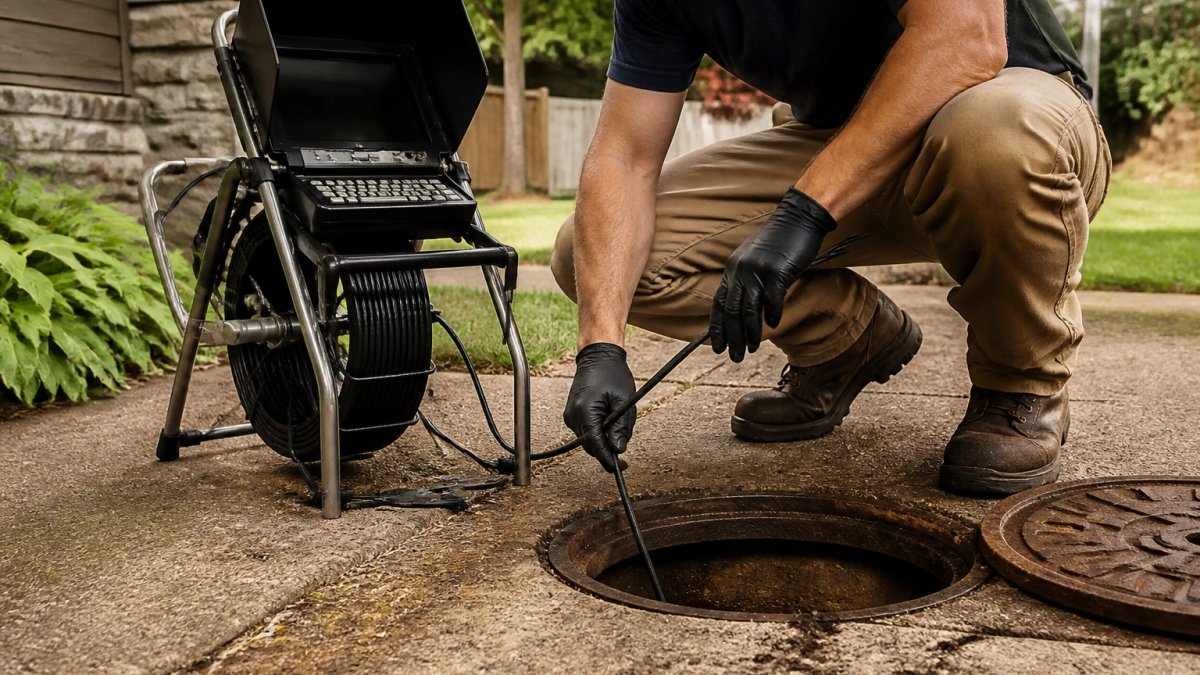
A sewer camera inspection is a diagnostic service that uses specialized video equipment to examine the interior condition of your sewer line without excavation.
During the inspection, the certified inspector documents the condition of the pipe material, identifies blockages, locates tree root intrusion, detects collapsed sections, and pinpoints cracks or damage.
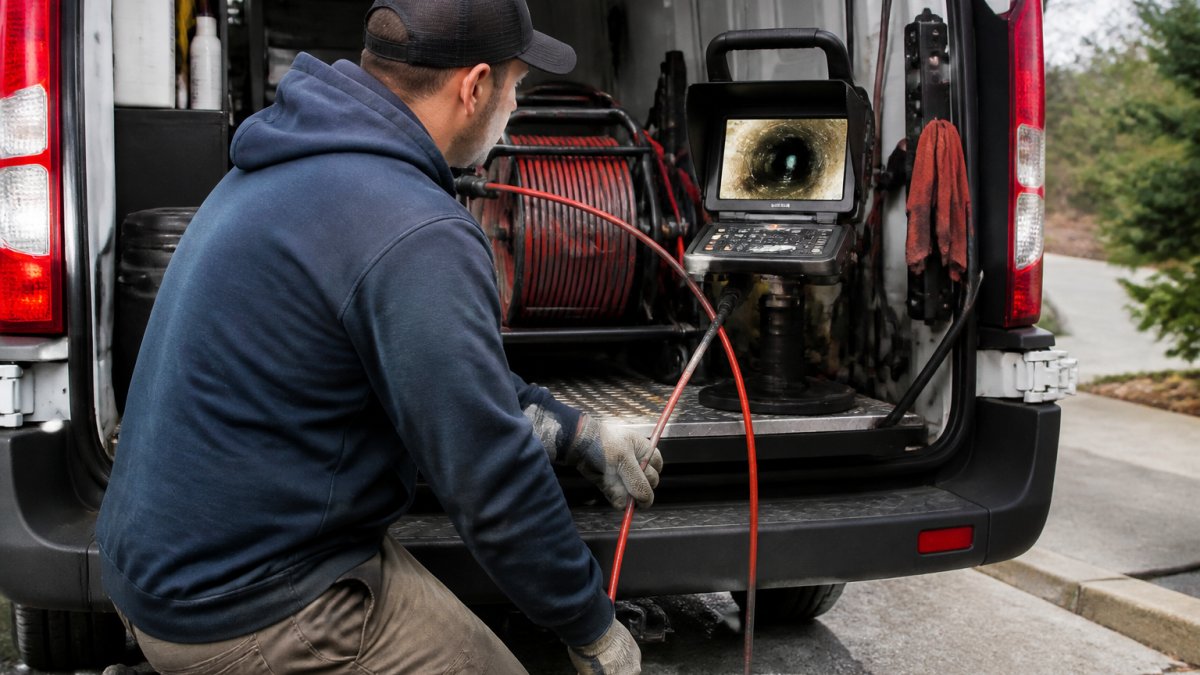
The scope of work depends on your system's layout and access points. For residential properties, inspectors typically examine the main sewer line from the house to the municipal connection.
Understanding Sewer Line Inspection Cost Ranges
The cost of a professional sewer line inspection varies significantly based on several factors, but understanding typical pricing helps you budget appropriately. These figures reflect inspection-only work; cleaning, locating, and repair are usually billed separately.
A common source of confusion is that two quotes for the "same" inspection can differ because they cover different scopes of work. Before comparing prices, confirm which tier each provider is quoting:
| Tier | Typical Price Range | What Is Normally Included |
|---|---|---|
| Basic / visual | $150-$300 | Camera run of the main line, verbal summary, sometimes a short clip |
| Standard | $250-$500 | Full main-line run, recorded video, still images, written summary with defect locations |
| Detailed / diagnostic | $400-$800+ | Standard scope plus depth and location markings, severity ratings, recommendations, and sometimes a locate or flow test |
| Inspection bundled with cleaning | $300-$700+ | Camera inspection plus blockage removal or snaking in the same visit |
| Commercial / extended | $500-$1,500+ | Multiple lines, longer distances, access coordination, and a formal report |
When you request quotes, ask each provider to itemize the inspection fee separately from cleaning, locating, and any repair work. This makes it possible to compare like-for-like and prevents a low inspection price from hiding a higher bundled total.
Canadian mortgage and housing cost guidance can help you frame renovation and maintenance budgets, though it does not publish sewer-specific pricing. For local rates, the most reliable approach is to collect two or three written quotes from licensed drainage contractors in your area and compare them against the tiers above.
When you contact DrainageBusters for a free estimate, we assess your specific situation and provide transparent pricing for the inspection service you actually need, with the scope itemized so you can compare it directly against other quotes.
Factors That Affect Your Sewer Camera Inspection Cost
Several key variables determine what you'll pay for a professional sewer line inspection. Understanding these factors helps you anticipate costs and compare quotes accurately.
Line Length and System Accessibility
The distance the camera must travel directly impacts inspection duration and cost. A line of typical residential length takes less time to inspect than a longer commercial system. Accessibility matters equally. If your cleanout is easily reached and in good condition, the inspector sets up quickly. If the access point is buried, damaged, or located in a difficult spot, preparation work increases the service time and cost.
Some properties have multiple cleanouts or access points, which can either reduce costs by shortening individual inspection runs or increase them if the system is complex. Tree root intrusion, sediment buildup, or previous damage may require careful navigation that extends the inspection timeline.
Camera Equipment and Inspection Complexity
Not all sewer camera systems are identical. Basic push cameras work well for shorter, straighter lines. Longer or more complex systems may require motorized equipment, specialized probes, or advanced diagnostic tools that cost more to deploy. According to a hybrid review of sewer inspection tools, modern automated inspection systems provide more comprehensive data but require trained operators and specialized equipment.
Inspectors with advanced certifications or specialized training may charge more, but they often identify issues that standard inspections miss. The quality of the video recording and the detail of the final report also vary by equipment and expertise.
Residential Versus Commercial Inspection Costs
Residential sewer line inspections typically cost less than commercial ones because residential lines are shorter and simpler. A typical home's main sewer line runs a standard distance. Commercial properties often have multiple lines, longer distances, and more complex configurations.
Commercial inspections may also require permits, coordination with building management, or scheduling outside business hours, all of which increase the total cost. However, the principle remains the same: longer lines and more complex systems cost more to inspect thoroughly.
How Long Does a Sewer Scope Take
Most residential sewer camera inspections take between 30 minutes and 2 hours from arrival to completion. A straightforward inspection of an easily accessible line on a shorter property typically takes 30 to 45 minutes.
The actual camera travel time through the pipe is often the shortest part of the process. Setup, equipment positioning, access point preparation, and report documentation make up the bulk of the service call.
Weather conditions, time of year, and traffic conditions also affect how quickly the inspector can arrive and complete the work. Most professionals schedule inspection appointments to allow adequate time without rushing, which ensures thorough documentation and accurate findings.
Sewer Inspection for Homebuyers: What You Need to Know
If you're purchasing a home, a sewer line inspection provides critical information about one of the property's most important systems. Many homebuyers discover serious sewer problems only after closing, which can result in unexpected repair costs. A pre-purchase sewer scope is one of the few ways to see the actual condition of the buried line before you commit.
How the inspection fits into due diligence
A sewer scope is usually ordered alongside a general home inspection, and it is typically treated as a separate service with its own fee. In most transactions, the inspection is arranged during the condition or due-diligence period, and the findings can be used to request a repair, a price reduction, or a closing credit. Real estate contracts vary, so confirm with your real estate professional how sewer findings can be raised within the condition period and what documentation the seller may require.
What to look for in the written report
A price-focused page will tell you what an inspection costs; it rarely tells you how to read the result. When you receive the report, check for these elements:
- Video delivery: Are you given the full recording, or only selected clips? A full recording lets a second contractor review the line independently.
- Defect documentation: Are defects described by type (root intrusion, crack, offset joint, belly, collapse) and approximate distance from the access point?
- Location and depth markings: Are problem areas marked so they can be found again, ideally with depth readings?
- Severity ratings: Does the report distinguish minor findings from defects that require repair?
- Recommendations: Does the inspector state whether cleaning, repair, or replacement is indicated, or whether monitoring is reasonable?
If any of these are missing, ask the provider to supply them before the condition period ends. A report without locations and severity is difficult to use in negotiation.
Insurance, warranties, and transaction considerations
Home insurance generally does not cover sewer line inspection costs, and coverage for the line itself depends on the policy and the cause of damage. Some policies offer limited coverage for sudden damage but exclude gradual deterioration, root intrusion, or wear. Review the policy wording or ask a broker before assuming a finding will be covered.
Home warranties and seller warranties vary widely. Some exclude pre-existing conditions, which means a defect documented before closing may not be covered afterward. If the seller agrees to a repair, ask for the invoice and, where possible, a post-repair camera inspection showing the corrected section.
For buyers, the practical sequence is: order the scope early in the condition period, review the report against the checklist above, obtain a repair quote if defects are found, and decide whether to negotiate, proceed, or walk away based on the severity and cost of the findings.
What Common Sewer Problems Reveal During Inspection
A camera inspection identifies problems that would otherwise remain hidden until they cause backups or foundation damage. Tree root intrusion is one of the most common findings. Roots penetrate small cracks in the pipe seeking moisture, gradually enlarging the opening and blocking flow.
Collapsed pipe sections appear as complete blockages or severe deformation on the video. Older clay or cast iron pipes are particularly vulnerable to collapse.
Cracks, fractures, and joint separations allow groundwater infiltration and root intrusion. The inspection video documents the severity and location of these defects, guiding repair decisions. Offset pipes, where sections have shifted out of alignment, also appear on camera and may indicate settling or ground movement.
Inspection-Only Pricing Versus Bundled Services
Some plumbers and drainage companies offer bundled packages that combine inspection with cleaning or repair. Understanding the difference between these options helps you make cost-effective decisions.
An inspection-only service provides the diagnostic information you need to plan repairs. You receive a detailed report and video footage but no follow-up work.
Bundled services package inspection with cleaning, snaking, or repair work. If the inspection reveals a blockage, the professional can clear it immediately without a second service call.
For many homeowners, starting with inspection-only service makes sense. Once you understand the problem, you can decide whether immediate repair is necessary or whether maintenance cleaning will suffice.
Questions to Ask Before Booking Your Inspection
Before scheduling a sewer line inspection, ask these questions to ensure you get accurate pricing and quality service.
What equipment will you use? Different camera systems have different capabilities.
What's included in your report? Will you receive still images, video footage, and a written summary?
Do you offer a free estimate? Many reputable companies, including DrainageBusters, provide free estimates before work begins.
What's your service area and availability? Confirm that the company serves your location and can schedule within your timeframe.
Do you provide references? Ask for contact information from recent customers who had similar inspections performed.
These questions help you select a qualified professional and avoid surprises when the inspection is complete.
Frequently Asked Questions
How much does a professional sewer line inspection cost?
Sewer line inspection costs vary depending on line length, accessibility, equipment needed, and whether cleaning is included. Inspection with cleaning typically costs more. Contact DrainageBusters for a free estimate tailored to your property's specific needs.
What does a sewer camera inspection include?
A professional sewer camera inspection includes inserting a specialized camera into your sewer line to record video footage of the pipe interior. The inspector examines the footage for blockages, tree roots, cracks, collapsed sections, and other damage. Most inspections include a written report with findings and video documentation. Some services bundle cleaning or minor repairs, while others charge separately for follow-up work.
Is a sewer inspection worth it when buying a home?
Yes, a sewer inspection is valuable when purchasing a home. It reveals hidden damage, blockages, or deterioration that could result in costly repairs after purchase. Discovering problems before closing allows you to negotiate repairs, request credits, or walk away from a problematic property. The inspection cost is typically far less than emergency sewer repair or replacement, making it a smart investment during the homebuying process.
How long does a sewer scope take?
A typical sewer scope inspection takes 1 to 3 hours, depending on line length, accessibility, and system complexity. Shorter runs with easy access may finish in under an hour, while longer lines or those requiring additional equipment setup take longer. If the inspector discovers problems or performs cleaning alongside inspection, the total time increases. Your service provider can give a time estimate after discussing your property's specifics.