 comparison
Free vs Paid Drainage Estimates: What Homeowners Need to Know
Table of Contents
- Why Drainage Estimates Matter: The Cost of Getting It Wrong
- Free Drainage Estimates: What You're Actually Getting
- Paid Drainage Estimates: The Professional Proposal Advantage
- Drain Tile Installation Cost: Understanding the Price Breakdown
- Professional Drainage Inspection Services: What's Included
- How to Choose a Drainage Contractor: Beyond the Estimate
- Free vs Paid Estimates: Comparison and Decision Framework
- Frequently Asked Questions
Last Updated: October 7, 2026
Why Drainage Estimates Matter: The Cost of Getting It Wrong
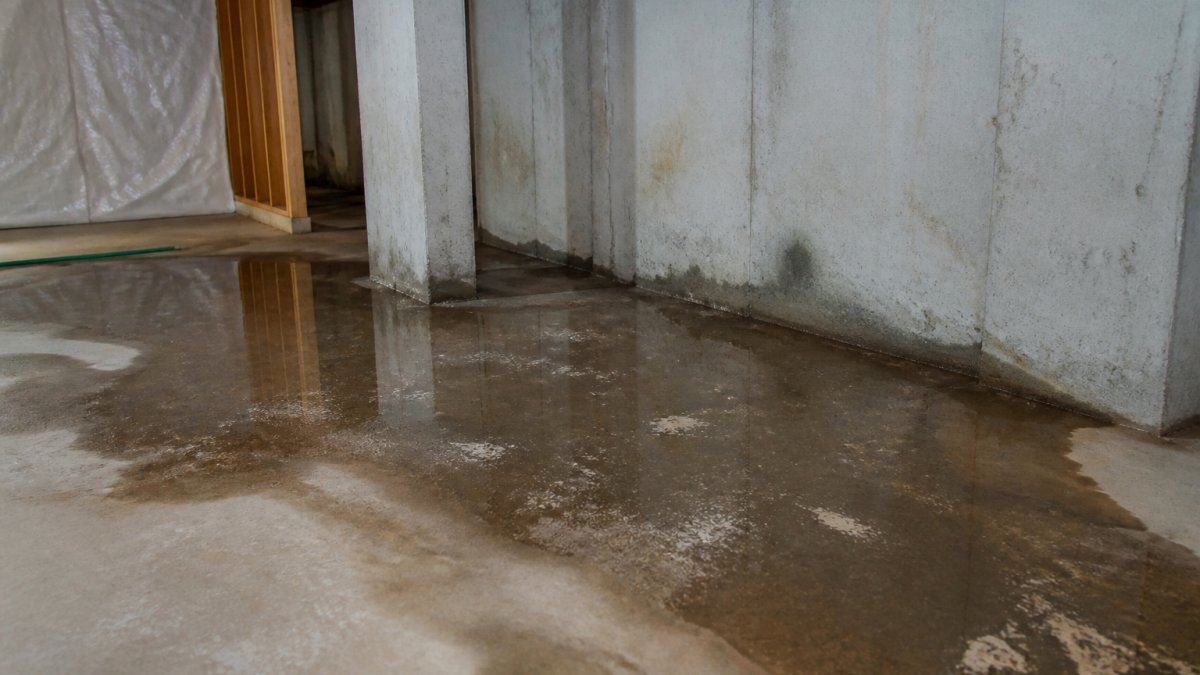
Poor drainage costs homeowners far more than the estimate itself. A wet basement can lead to foundation damage, mold growth, and structural repairs. Yet many property owners delay the decision because they're unsure whether to invest time in a free estimate or pay for a professional proposal.
The difference between these two approaches is substantial. Free estimates often lack the depth needed to prevent costly mistakes. Paid estimates, prepared by professionals who understand site-specific conditions, catch problems before they become expensive failures. Homeowners who skip the professional assessment often end up paying significantly more for remedial work later.
Understanding what you're actually getting in each type of estimate helps you make a decision that protects your property and your budget.
Free Drainage Estimates: What You're Actually Getting
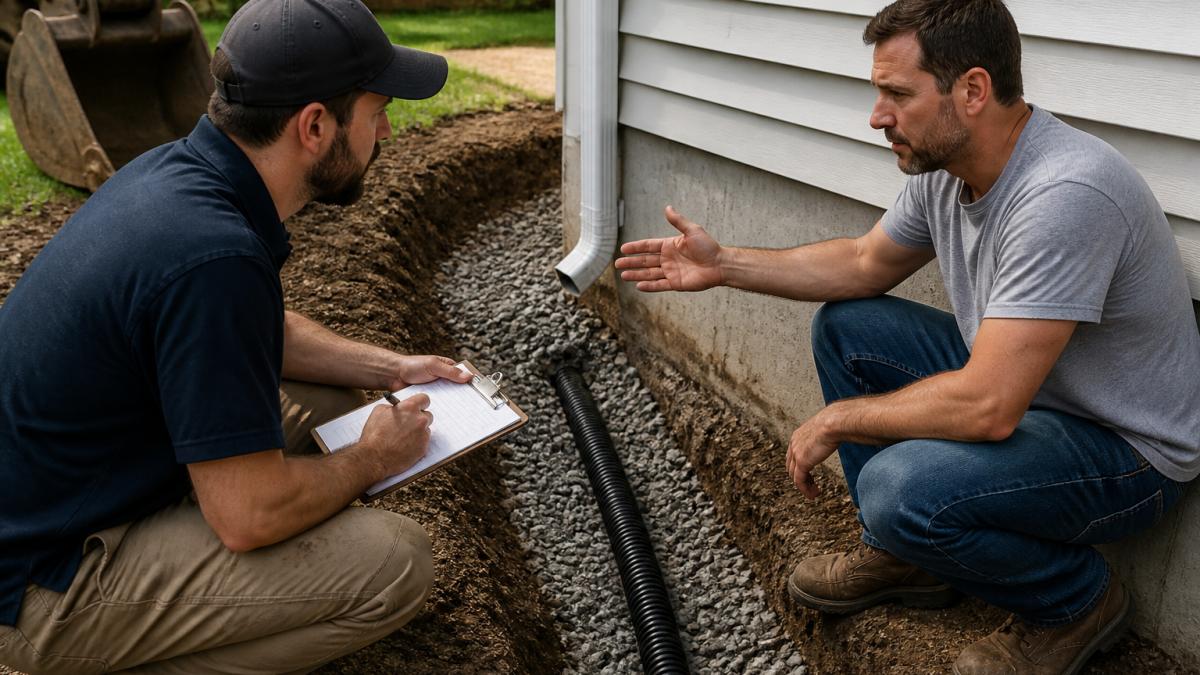
A free drainage estimate typically involves a contractor visiting your property, walking the yard, and providing a ballpark figure based on general observations. This model works for straightforward projects but falls short when soil composition, grading issues, or foundation moisture complications are involved.
Free estimates often skip critical details. According to research from Reddit's contractor community, contractors report spending 10-20 hours per week on estimate-related tasks, which creates pressure to keep free assessments brief.
The real cost of a free estimate is the risk of missing problems. You might receive a quote that seems reasonable but doesn't account for soil type, drainage design complexity, or permit requirements. When the actual work begins, scope creep emerges, and so do unexpected costs.
Paid Drainage Estimates: The Professional Proposal Advantage
A paid estimate is not simply a more expensive version of a free quote. In practice, it is a professional proposal: a scoped, documented design that a qualified practitioner is willing to stand behind. That distinction matters most when the drainage problem is not obvious from the surface, for example, when water is entering a foundation through a pathway that only shows up during a thaw or a sustained storm.
A proper paid proposal typically includes several elements a free walkthrough rarely delivers:
- A measured site plan. Linear footage of proposed drain runs, catch basin and sump pit locations, and discharge points, drawn to scale rather than estimated by eye.
- Soil and grading notes. Observations about clay, silt, sand, or fill layers, plus how the existing slope moves water toward or away from the structure.
- A defined scope of work. Excavation depth and width, pipe type and diameter, filter fabric, gravel specification, and restoration expectations.
- Exclusions and assumptions. What the price does not cover, rock removal, permit fees, topsoil replacement, or repair of existing landscaping, stated upfront rather than discovered mid-project.
- A validity period and payment schedule. How long the price holds and when deposits, progress payments, and final payment are due.
Why a paid proposal can be safer for complex foundation issues
When a drainage failure can affect a foundation, the cost of a wrong design dwarfs the cost of the proposal itself. A paid proposal shifts some of that risk onto the professional preparing it. Because the practitioner has invested billable time in the assessment, they have both the incentive and the documentation to get the design right.
Two protections are worth asking about directly:
- Liability coverage during the work. Confirm the contractor carries commercial general liability insurance and can provide a certificate of insurance naming the property. If excavation damages a gas line, irrigation system, or foundation drain, the certificate is what protects you.
- Site-specific design accountability. For complex foundation moisture or grading problems, some practitioners will involve an engineer or a certified designer whose stamp or signature appears on the proposal. That signature is not decoration, it means a qualified professional reviewed the design against the actual site conditions.
Not every project needs an engineered proposal. A single downspout extension or a short surface swale usually does not. But when multiple wet spots, a history of failed repairs, or foundation movement are involved, the paid proposal is the cheaper path in expectation, even though it costs more today.
What a paid estimate should cost
Pricing for a paid proposal varies widely by region, project complexity, and whether an engineer is involved. Rather than quoting a single national figure, ask the practitioner what the fee covers and whether it is credited toward the project if you proceed. Many contractors apply the proposal fee as a credit against the installation contract, which effectively makes the proposal free if you hire them, and a fair price if you do not.
Drain Tile Installation Cost: Understanding the Price Breakdown
Drain tile installation is one of the most common drainage solutions, and understanding its cost structure helps you evaluate any estimate you receive. According to Angi's 2026 project data, the national average cost for yard drainage installation is $4,633, with most homeowners paying between $2,146 and $7,173.
A professional estimate breaks this down into components: excavation labor, drain tile material, gravel backfill, soil restoration, and any catch basin or sump pit work required. Each component has a linear foot cost or hourly labor rate.
The price range varies because drainage systems depend on property-specific factors. Clay soil requires different handling than sandy soil. A property with severe grading issues needs more extensive work than one with minor moisture problems. A professional site assessment identifies these variables before pricing.
Professional Drainage Inspection Services: What's Included
A professional drainage inspection goes beyond a visual walkthrough. It includes soil testing, grading analysis, foundation moisture assessment, and evaluation of how water moves across your property during heavy rain or spring melt.
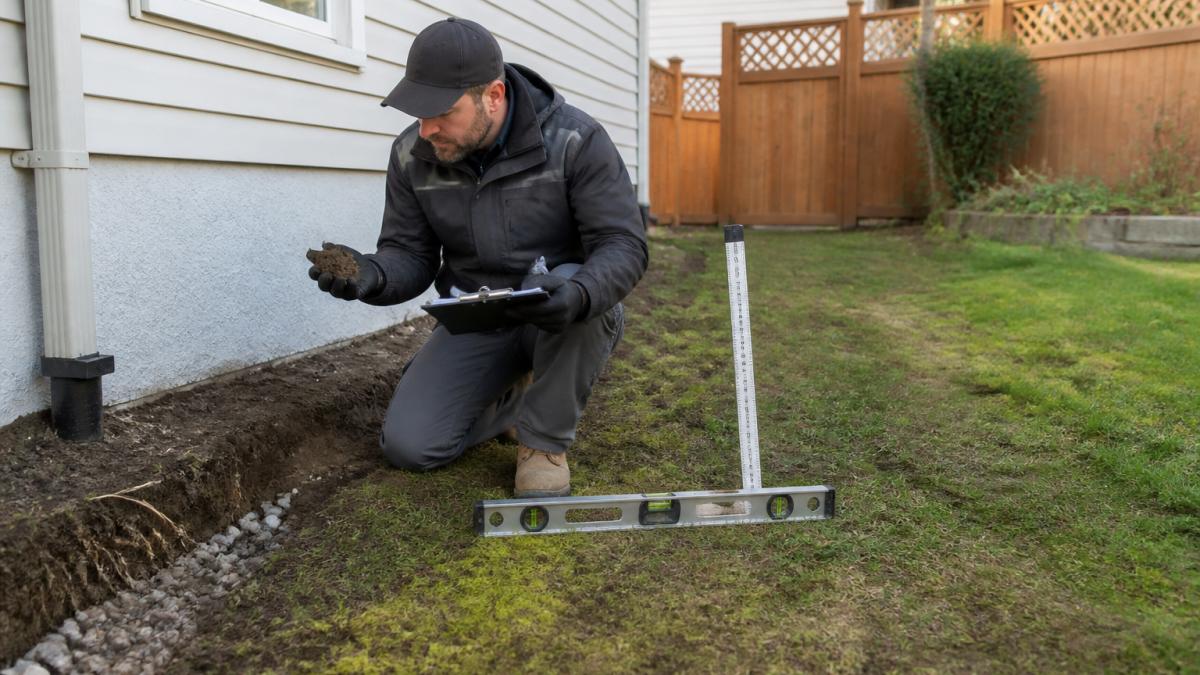
When DrainageBusters conducts a site assessment, we evaluate subsurface drainage conditions, identify where stormwater runoff concentrates, and determine whether surface or subsurface solutions, or both, are needed.
A professional inspection typically includes a written report detailing findings and recommendations. This report becomes your reference point for evaluating competing quotes and understanding why specific drainage design choices were made.
How to Choose a Drainage Contractor: Beyond the Estimate
Comparing estimates requires more than price. Look for contractors who provide itemized quotes that specify materials, labor, and timeline. Ask whether the estimate includes liability insurance coverage during installation and whether there's a warranty on the work.
A contractor who offers a free estimate but provides minimal detail is signaling that they're not investing in understanding your property. A contractor who charges for an estimate but delivers a thorough site assessment and written proposal is demonstrating professionalism and accountability.
Ask about their experience with your property type. A contractor familiar with foundation moisture issues in your region understands local soil conditions, seasonal water patterns, and which solutions work reliably. Their paid estimate reflects that expertise.
Free vs Paid Estimates: Comparison and Decision Framework
The right choice depends less on the price of the estimate and more on the cost of being wrong. Use the comparison below as a starting point, then apply the decision rules that follow.
| Factor | Free Estimate | Paid Proposal |
|---|---|---|
| Time on site | 30-60 minutes | 2-4 hours, sometimes a return visit |
| Measurement | Paced or estimated | Measured linear footage and elevations |
| Soil and grading analysis | Visual, informal | Documented observations, sometimes lab or field testing |
| Design detail | Verbal or one-page summary | Written scope, materials, and layout |
| Exclusions listed | Rarely | Standard |
| Liability and insurance documentation | On request | Typically included or referenced |
| Engineering review | Not included | Available for complex foundation issues |
| Fee credited to project | Not applicable | Often, if you proceed |
| Best for | Simple, obvious problems | Complex, unclear, or previously failed drainage |
A scope-creep checklist for any estimate
Whether the estimate is free or paid, the same hidden costs cause most budget overruns. Before signing, confirm in writing whether each of the following is included, excluded, or billed separately:
- Permits and inspections. Many municipalities require permits for work that alters stormwater discharge or connects to municipal systems. Ask who pulls the permit and who pays the fee.
- Soil disposal. Excavated clay and rock must be hauled away. Disposal fees and trucking are frequently excluded from headline prices.
- Site restoration. Topsoil, sod, seed, mulch, and repair of damaged walkways or fences are common exclusions.
- Utility locating. Locates for gas, water, electrical, and telecom lines should be arranged before excavation. Confirm who is responsible.
- Rock and obstruction handling. A per-hour or per-cubic-yard rate for unexpected rock is standard; ask for the rate upfront.
- Winter or weather delays. In cold climates, frozen ground and spring thaw can shift schedules and sometimes pricing.
- Warranty terms. Ask what is covered, for how long, whether it is transferable, and whether it covers labor, materials, or both.
Decision rules
Choose a free estimate when the problem is visible and simple: a downspout discharging against the foundation, a single low spot that pools after rain, or a short run of surface drainage with no foundation involvement.
Choose a paid proposal when any of the following apply:
- Water enters the basement or crawlspace, or you see efflorescence or damp patches on foundation walls.
- Previous drainage work was completed but the problem returned.
- Multiple wet areas appear across the property, suggesting a grading or water-table issue rather than a single blocked path.
- The property sits on clay, fill, or a slope that concentrates runoff.
- You are comparing two or more contractors and need an apples-to-apples scope to compare fairly.
Reading a quote like a professional
A useful quote answers four questions: what will be installed, where it will go, how it will be built, and what happens if conditions differ from expectations. If any of those is missing, ask for it in writing before comparing prices. A lower number with a vague scope is not a lower price, it is an unknown price.
Finally, treat the estimate as the beginning of the relationship, not the end of the shopping process. A practitioner who documents their assumptions, explains their design choices, and puts exclusions in writing is signaling how they will handle the project itself. That signal is often worth more than the difference in estimate fees.
Frequently Asked Questions
Is it worth paying for a professional drainage survey?
Yes, when your property shows signs of foundation moisture, erosion, or repeated water intrusion. A paid professional drainage inspection provides a detailed site assessment with itemized recommendations, soil composition analysis, and a formal proposal that protects you from scope creep and low-ball quotes. Free estimates often lack this depth, making them suitable only for straightforward projects where the problem is already obvious.
What's the difference between a rough estimate and a formal drainage proposal?
A rough estimate is a quick, informal quote based on a brief site visit, often free but lacking detail. A formal proposal includes a comprehensive site survey, excavation requirements, material specifications, labor costs broken down by phase, permit requirements, liability and insurance coverage, and a fixed timeline. Formal proposals eliminate surprises and provide legal protection for both parties.
How much does drain tile installation cost on average?
Costs for yard drainage installation vary widely based on linear footage, soil composition, whether subsurface or surface drainage is needed, grading requirements, and local permit fees. A professional drainage inspection will provide an accurate cost breakdown for your specific project.
Do drainage contractors charge for site visits?
Most contractors offer free initial site visits as part of a free estimate. However, some now charge for comprehensive professional drainage inspection services, particularly when a quantity surveyor or engineer is required to assess complex foundation issues, design a custom drainage system, or provide a formal proposal. This paid assessment ensures higher accuracy and liability protection.
Drainage problems don't resolve themselves, and incomplete solutions create bigger expenses later. At DrainageBusters, we offer free estimates because we're confident in our ability to diagnose your property's needs and deliver reliable solutions. When you're ready to move forward, call (778) 320-4013 for a professional site assessment and detailed proposal. We'll help you understand exactly what your property needs and what it will cost to protect your foundation.