 how-to
How to Choose a Waterproofing Company
Table of Contents
- Why Choosing the Right Waterproofing Company Matters
- Verify Licensing, Bonding, and Insurance
- Questions to Ask Waterproofing Contractors
- Basement Waterproofing Contractor Red Flags
- High-Pressure Sales Tactics and Artificial Urgency
- The "Bait and Switch" Estimate
- Vague or Verbal Estimates
- Guarantees That Sound Too Good to Be True
- Recommending Expensive Solutions Without Diagnosis
- No Site Assessment or Inspection
- References They Won't Provide or That Seem Evasive
- Lack of Transparency About Materials and Methods
- Payment Terms That Favor the Contractor
- No Written Contract or Warranty
- Licensing and Insurance Claims That Don't Check Out
- Evaluate Experience, References, and Past Projects
- Understanding Cost of Exterior Basement Waterproofing Per Foot
- Request Detailed Written Estimates and Warranty Terms
- Frequently Asked Questions
Last Updated: September 18, 2026
Why Choosing the Right Waterproofing Company Matters
Water damage costs homeowners thousands of dollars annually and can destroy belongings, compromise structural integrity, and create mold problems. Many rush into hiring the first contractor they find, only to discover the work was incomplete or the problem persists.
Choosing the right waterproofing company protects your property's long-term structural integrity and prevents thousands in additional repairs.
This guide walks you through the critical steps to choose waterproofing company that will deliver real results.
Verify Licensing, Bonding, and Insurance
The first red flag is an inability to produce current licensing, bonding, and insurance documentation, your legal protection.
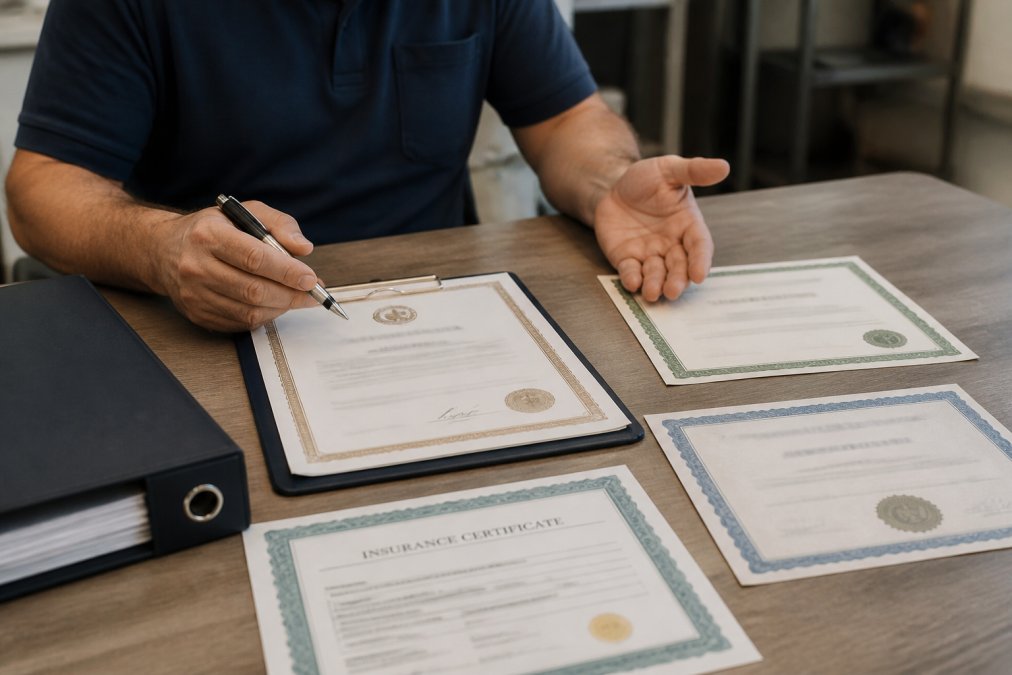
A licensed contractor has passed trade examinations and maintains compliance with local regulations. Bonding protects you if work isn't completed; insurance protects you from liability if someone is injured on your property.
Ask directly: "Can you provide proof of current licensing, bonding, and insurance?" A reputable contractor hands over documentation immediately. If they say "it's in the office" or "I'll email it later," keep looking.
Verify the license independently through your provincial regulatory body. Don't rely on the contractor's word.
Questions to Ask Waterproofing Contractors
The right questions reveal whether a contractor understands your specific problem or is applying a generic solution.
Understanding the Assessment Process
"What is your methodology for assessing my basement, and how do you determine whether interior or exterior waterproofing is appropriate?"
Interior waterproofing (drain tile, sump pumps, moisture barriers) costs 30-50% less but addresses symptoms rather than root cause. Exterior waterproofing (excavation, membrane, perimeter drainage) is more expensive but eliminates water before it reaches the foundation.
A contractor who recommends exterior work without inspecting your foundation, soil, grading, and drainage is likely overselling. The right contractor explains trade-offs and cost differences, demonstrating they've assessed your situation.
Verifying Experience on Similar Projects
"How many basement waterproofing projects have you completed in the past 24 months, and how many involved [your specific scenario, e.g., finished basements, clay soil, high water table, concrete block foundation]?"
Ask for the specific number of projects matching your situation in the past 24 months. Limited experience signals difficulty troubleshooting complications.
Evaluating Their Inspection and Diagnostic Process
"Will you inspect my foundation from the interior and exterior, check the soil composition, measure the water table depth if relevant, and assess grading and drainage before providing a recommendation?"
A thorough assessment includes visual inspection of cracks and water stains, soil probing, grading assessment, downspout inspection, and sump pump evaluation.
If a contractor skips any of these steps, they're guessing. Ask: "Will you provide a written report of your findings before recommending solutions?"
Understanding Warranty and Performance Guarantees
"What warranty do you provide on workmanship and materials, what does it cover, and what happens if water reappears during the warranty period?"
Warranties vary: some cover one year, others five years or longer. Ask: Does the warranty cover water reappearing due to workmanship? Will they redo work at no cost if water returns?
A contractor confident in their work offers a multi-year warranty in writing.
Handling Unforeseen Complications
"During the project, if you discover issues I wasn't aware of, like a cracked foundation, failed drainage tile, or unexpected soil conditions, how will you communicate with me, and how will we handle cost increases?"
Waterproofing projects often reveal hidden problems like crushed drain tile or structural cracks. Ask: Will they stop work for your approval and provide a written change order?
A professional contractor expects these complications and has a transparent process for managing them.
Red Flags in How They Answer
Watch for contractors who become defensive about methodology, can't articulate recommendations, refuse to put answers in writing, or rush assessments.
The best contractors welcome detailed questions because they're confident in their process and want you to understand the work being done.
Basement Waterproofing Contractor Red Flags
Certain behaviors should trigger immediate skepticism. These red flags often indicate inexperience, dishonesty, or poor workmanship, and some are specific to waterproofing scams that prey on homeowners' fear of water damage.
High-Pressure Sales Tactics and Artificial Urgency
"You need to decide today, or I can't guarantee this price." or "I have another job starting Monday; if you don't sign now, I can't fit you in for three months."
If a contractor insists you sign immediately or claims prices will increase if you wait, walk away.
The "Bait and Switch" Estimate
Initial estimate is suspiciously low; final bill is dramatically higher.
Protect yourself: insist on a detailed written estimate with labor, materials, and timeline. Require written change orders for any work beyond original scope. A reputable contractor builds a small contingency (5-10%) into their quote to cover minor surprises.
Vague or Verbal Estimates
"I'll send you an estimate, but it's just a ballpark figure." or "We'll know the exact cost once we start digging."
Always insist on a written estimate with specific line items. If they claim they can't estimate until work starts, they're either inexperienced or setting you up for surprise costs.
Guarantees That Sound Too Good to Be True
"We guarantee your water problems will never happen again." or "This is a permanent fix; you'll never have water in your basement again."
No contractor can guarantee permanent solutions. A responsible contractor explains what their solution addresses. If a contractor makes absolute guarantees, they either don't understand waterproofing or are lying to close the sale.
Recommending Expensive Solutions Without Diagnosis
"You need exterior waterproofing and foundation repair. That'll be $25,000." (said after a 15-minute walk-through)
This is a major red flag. Ask: "Why is exterior waterproofing necessary? What did you find that rules out interior solutions?" If they can't articulate a specific reason, get a second opinion.
No Site Assessment or Inspection
"I can give you an estimate based on your description over the phone."
A contractor who estimates without inspecting is guessing. This is a disqualifying red flag.
References They Won't Provide or That Seem Evasive
"I don't have references available right now." or "Most of my work is word-of-mouth, so I don't have a list."
Every contractor should have recent references. When calling references, ask: "Did the contractor explain the work clearly? Did they keep you informed? Has the solution held up?"
Lack of Transparency About Materials and Methods
"We use the best materials." (without specifying what they are) or "Our process is proprietary; I can't explain exactly what we do."
Ask for specific product names and datasheets. A contractor who won't name products is either using cheap alternatives or hiding something.
Payment Terms That Favor the Contractor
"I need 50% upfront, and the rest when I'm done." or "Full payment required before we start."
Standard terms: 10-25% deposit, progress payments as work is completed, final payment upon completion. If a contractor demands more than 25% upfront, they're shifting financial risk to you.
No Written Contract or Warranty
"We'll just do a handshake deal." or "I don't provide written warranties."
Every project must include a written contract specifying scope, timeline, and payment terms; a warranty documenting coverage; and change-order procedures. Without these, you have no recourse if problems arise.
Licensing and Insurance Claims That Don't Check Out
"I'm licensed, but I don't have the paperwork with me right now." or "Insurance is too expensive; I self-insure."
Verify licensing independently through your provincial regulatory body. Self-insurance is not acceptable.
Evaluate Experience, References, and Past Projects
Experience matters enormously. Request case studies or photos of completed work similar to yours. A professional contractor maintains documentation and can show before-and-after photos.
Understanding Cost of Exterior Basement Waterproofing Per Foot
Cost depends on soil conditions, foundation depth, drainage requirements, materials, and local labor costs. A detailed written estimate should break down labor, materials, site preparation, drainage system installation, and backfill. The cheapest estimate often reflects corners being cut or lower-quality materials.
Request Detailed Written Estimates and Warranty Terms
Never hire a contractor based on a verbal estimate. Your written estimate should include scope of work, specific materials and quantities, labor costs, timeline, payment terms, and warranty details (workmanship, materials, or both).
| Estimate Component | What to Look For | Red Flag |
|---|---|---|
| Scope of work | Specific, detailed description of all work | Vague language like "fix basement" |
| Materials | Named products with quantities | "Materials as needed" |
| Labor | Clear hourly rate or fixed cost | Verbal estimate only |
| Timeline | Start and end dates | "Sometime next month" |
| Warranty | Coverage period and what's covered | No warranty offered |
| Payment terms | When money is due | Full payment upfront required |
Frequently Asked Questions
What questions should I ask before hiring a basement waterproofing contractor?
Ask about their licensing and bonding status, years of experience with your specific issue, warranty coverage, inspection process, and how they handle unforeseen complications. Request references from recent projects and ask what materials they use. Clarify the project timeline, whether they subcontract work, and how they manage site assessment. A reputable contractor will provide detailed written estimates and explain their methodology for addressing water ingress and structural integrity concerns.
How do I verify a waterproofing company's insurance and credentials?
Request proof of liability insurance and Workers' Compensation coverage before hiring. Ask to see their business license and verify bonding through your provincial regulatory body. Check that their insurance is current and adequate for the scope of work. Many contractors will provide copies during the free estimate consultation. Independent verification of these credentials is more reliable than relying solely on word-of-mouth referrals, as it confirms the company operates legitimately and protects you if issues arise.
What are red flags when choosing a waterproofing contractor?
Avoid contractors who pressure you into immediate decisions, refuse to provide written estimates, or won't answer technical questions about their methodology. Be cautious of unusually low bids compared to others, reluctance to provide references, or inability to explain how they'll address hydrostatic pressure or foundation cracks. Red flags also include lack of transparency about pricing, unwillingness to discuss warranty terms, or poor communication responsiveness. Contractors who dismiss detailed site assessments or guarantee results without inspection are unreliable.
How long does waterproofing work typically take?
Timeline depends on the scope of work, site conditions, and whether unforeseen complications arise during inspection. Exterior basement waterproofing, which involves drainage systems and waterproofing membrane installation, typically takes several days to weeks. Interior solutions like sump pump installation may be faster. Request a detailed project timeline during your estimate consultation, including contingency plans if complications emerge. A professional contractor will communicate realistic timelines upfront and explain factors that could extend the schedule.